

A Case for F1 Academy and Its Continuation
Emily Cobb | April 1, 2026

Women in racing face a variety of barriers at every point in their careers. To put it simply, the world of motorsports isn’t set up with them in mind.
F1 Academy, created by former racing driver Susie Wolff, is at the F4 level, one of the lowest rungs in single-seater racing that is typically the next step for drivers after karting. The series is designed to highlight female talent and move young women and girls up the pipeline of single-seater racing.
Since F1 Academy’s inception in 2023, the series has been followed with abuse, doubt and condescension. But that’s nothing new for female athletes; this discrediting behavior follows women and girls in every sport, at every level. When analysing the backlash the series gets, it’s clear that the reasoning is largely due to the misconstruing of the series's purpose and misogyny.
To understand the importance of F1 Academy, we need to look at the W Series, a women’s-only F3 (a level above F4) series, created by Catherine Bond-Muir. This series did something groundbreaking: providing practically free race seats, giving opportunities for many drivers to race again after losing funding. Including Alice Powell, Jessica Hawkins and Abbi Pulling. Due to sponsors pulling out and COVID-19, the series ended after 3 seasons in 2022.
“The feeling that came out of it was, 'Yeah, this is rubbish, but Catherine, this is what we've dealt with for 20 years,’” Bond-Muir said in an interview with ESPN, regarding driver reaction to the announcement that the series would not continue. “‘We've had promises of money, we've had contractual commitments for money, and it hasn't come through. We've had lots of people saying they're going to support us, and it doesn't happen.’ So it was more of a feeling of, ‘Welcome to our world.’”
An original goal was for the W Series and F1 Academy to loosely work in tandem, with drivers starting in F1 Academy and potentially moving to the W Series.
“It’s more likely the F1 Academy would not exist without W Series,” Powell said about the creation of F1 Academy while speaking with The Guardian. “It was a contributory factor. It opened up everybody’s eyes to the fact there are quite a few female drivers out there. It showed there are females who are competitive and that seats can be filled.”
Though the ending of the W Series meant the loss of seats for older drivers, several younger ones moved to F1 Academy, including Chloe Chambers, Nerea Marti, Bianca Bustamante, Marta Garcia, who won the inaugural F1 Academy Championship and Pulling, who won the 2024 F1 Academy Championship.
To some, the reason F1 Academy was created was merely to fulfil a diversity quota or give girls and young women a seat on the mere basis of their gender. However, F1 Academy was set up to collect and highlight some of the best upcoming female talent. Giving them a platform to increase media attention, gain sponsors and grow as drivers in a supportive environment. With the cost of racing, drivers NEED sponsors to move up the ladder. F1 Academy gives these drivers the audience to hopefully do that.
Unlike other F4 series, F1 Academy is featured heavily on F1 social media platforms and the F1 app itself, which means that all practices, qualifying and races are much more accessible. With that comes a platform that leads to intense scrutiny.
Frequently, when I see negativity being spouted regarding the series, it’s over the opinion that female drivers crash more, and the whole series should be written off because of the number of crashes. Putting 18+ drivers on a track at once and expecting them not to make a mistake is silly.
Crashes happen at every level of the sport, and crashes in F1 Academy are not because the racers are women but because they are racers. Like any good racer, they want to prove they are worthy by pushing boundaries and scoring points, podiums and wins.
F1 Academy does not exist only to highlight the best racing there is, but to inspire. A section on F1 Academy’s website reads this: “…we’re here to inspire and support young girls and women worldwide to embark on their own journeys in motorsport.” Which is exactly why the series needs so much coverage. To improve the chances of women reaching F1, a social change needs to happen, and the upcoming generation of girls needs to see that they belong in the sport.
The road to F1 is a long one, and out of thousands of single-seater competitors, roughly only one out of 20,000 reaches it.
There are certainly issues with F1 Academy, including smaller amounts of seat time compared to other F4 series. In one British F4 weekend, you typically have 180 minutes in the car altogether. While in F1 Academy, a weekend is usually only 130 minutes. There’s also a smaller number of competitors on the grid, with 18 drivers compared to British F4, which has up to 26 cars.
Additionally, with the loss of the W Series, is F4 the level a women’s championship should be at? Most F4 series have multiple female participants; F4 is not the level where women are truly having difficulty breaking into. The jump to the next level is. Which is why we only have three women competing at the F3 level. Two in GB3, Pulling and Aurelia Nobels, and one in EuroCup 3 with Bustamante.
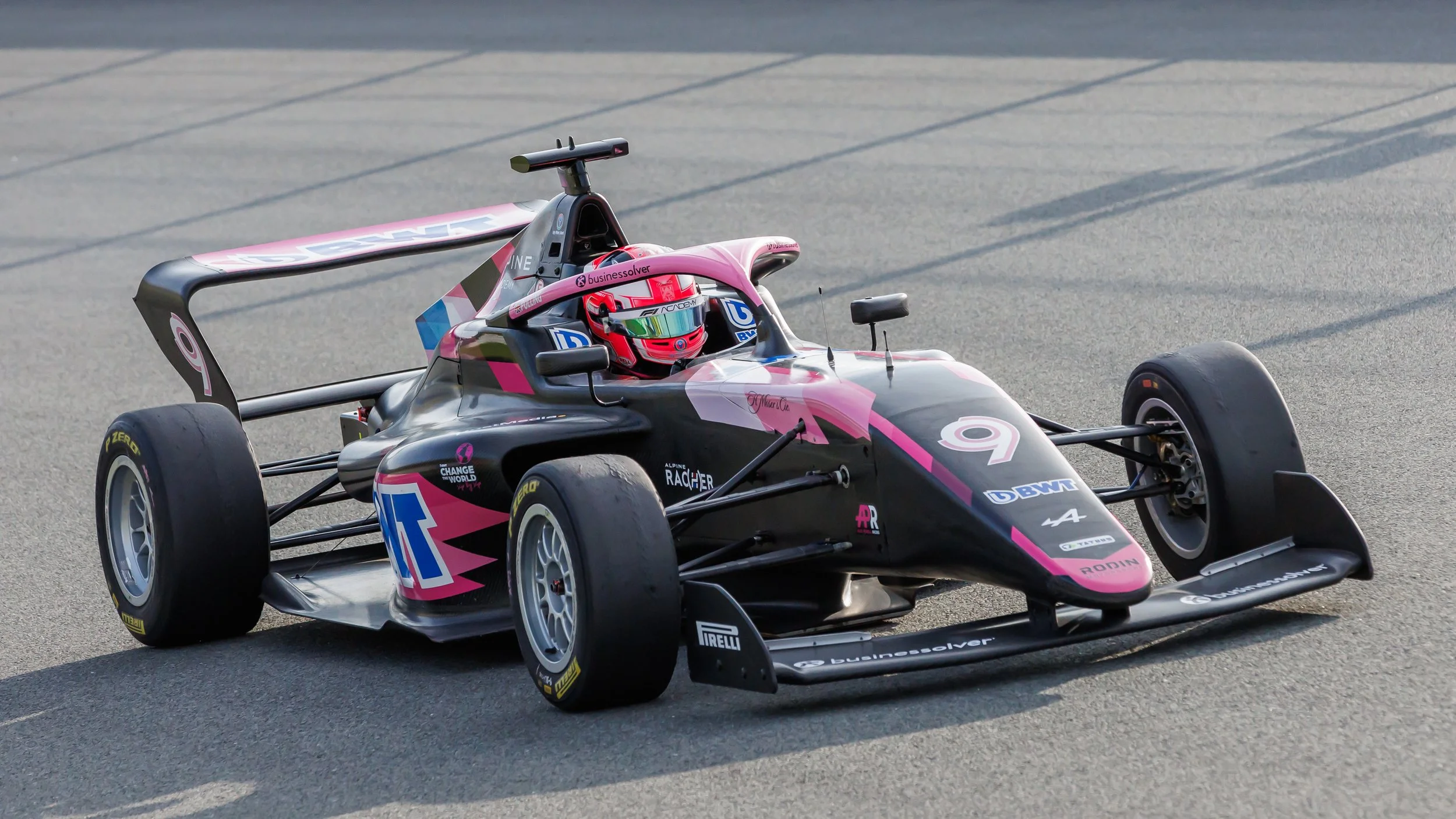
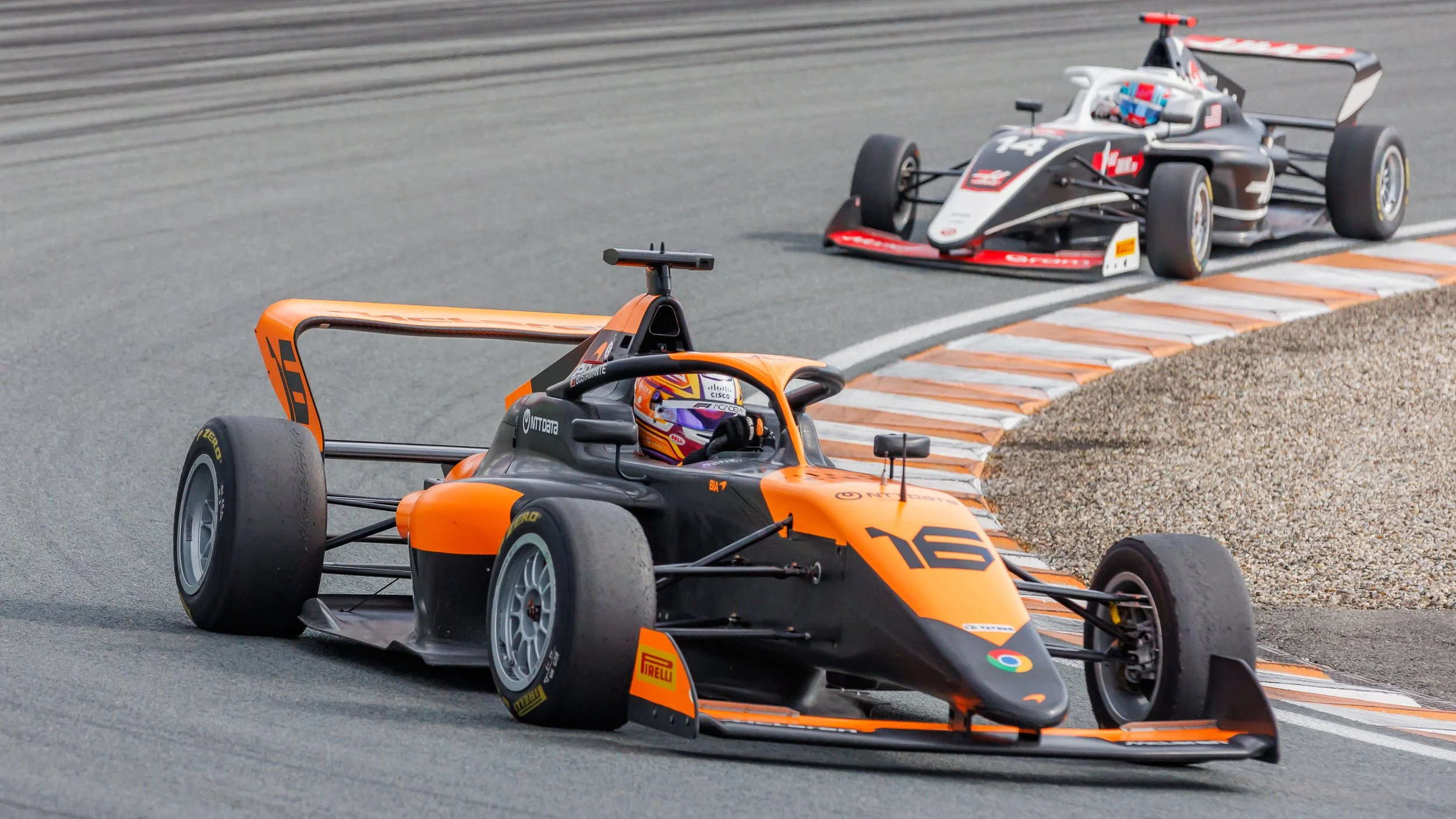
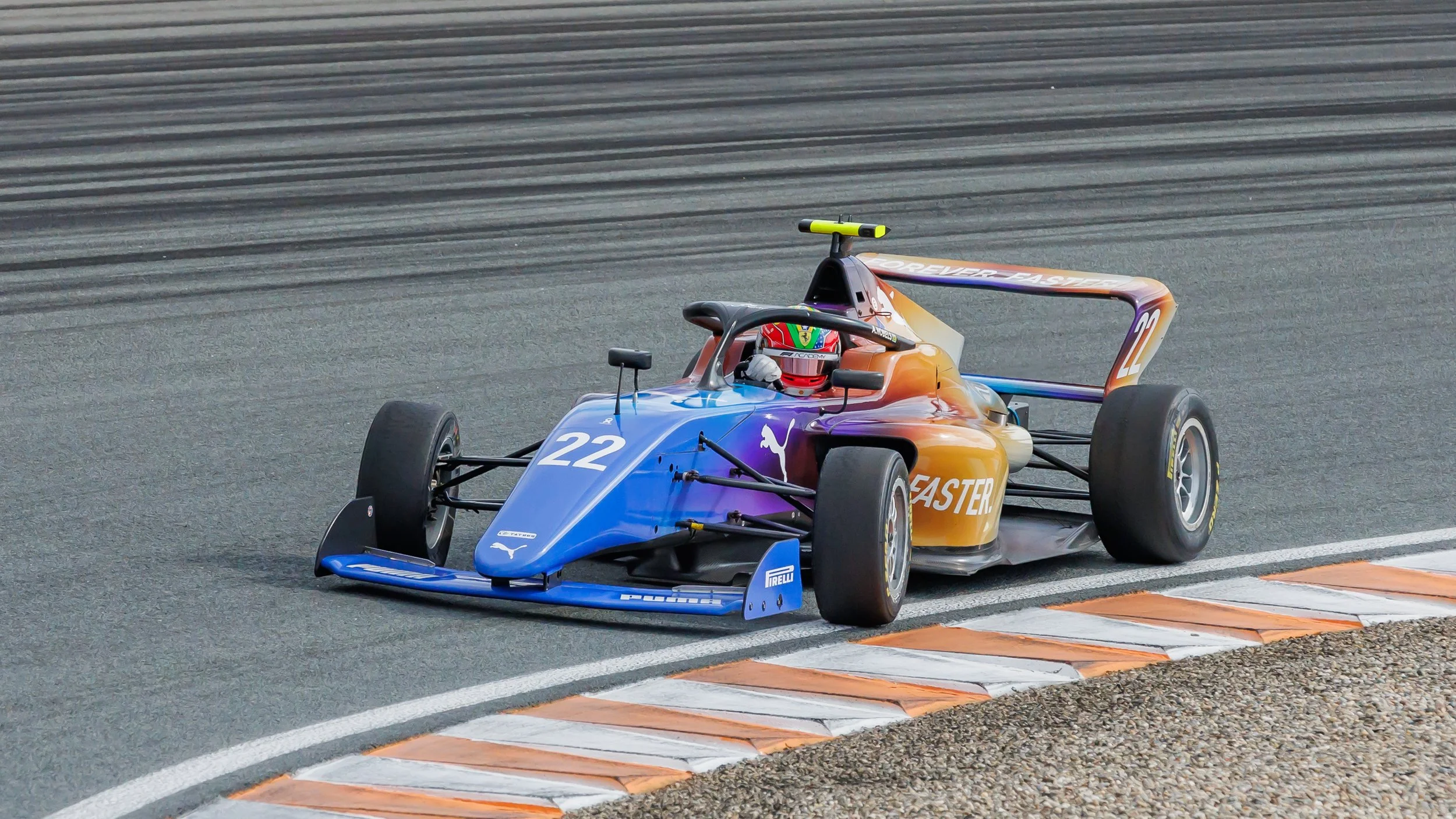
Overall, these concerns bring up the question of why F1 Academy is worth pursuing over other F4 series, especially when seat time and experience are so valuable when advancing.
The reality is, F1 Academy is a newer series, and with that comes growing pains and structural issues. But, it’s naive to say the series cannot grow, especially when there have already been improvements within the series and the sport. The F1 Academy grid has increased in size from 15 to 18, there are now three drivers racing at the F3-level compared to 0 in 2022 and there is an increase in the number of girls karting. Not to mention other benefits to the series, including partnerships with driver academies, F1 teams and drivers.
There is still room for improvement, but realistically, the point of F1 Academy isn’t to get a woman to F1 in 5 years. It’s to change the culture regarding women in racing, help female drivers secure sponsorship, help more women move up the pipeline, show women they belong in the sport and inspire the next generation.
If we want to see more women in motorsports, we should support programs like F1 Academy. Simply watching races and engaging in content is a great way to show that people are invested in women racers. Following women drivers and backing them will allow them to move up the brutal rungs of the sport. When the time comes, and women are on the F1 grid again, I know I will be glad I supported initiatives like F1 Academy.