

The Lost Art of Storytelling: Activism
Solie Lawson | April 1, 2026
Storytelling allows voices to be heard and shared in communities, contributing to its historical legacy as an important medium in activism. Sharing stories allows those uneducated to be educated and gain different perspectives on the world individuals live in.
Siti Kusujiarti is a professor of sociology and the chair of the social and cultural studies department at Warren Wilson College (WWC). She has been a faculty member at WWC for 26 years, the director of the Climate Action Now (CAN) program, and participates in the Asian Pacific Islander (AAPI) program. She describes activism broadly, but notes that it can take place anywhere.
“If you want to know certain cultures, if you want to know certain communities or certain histories, you want to look at the stories that they tell,” Kusujiarti said. “That is part of the activism that we tend to forget, because in this culture, and I'm talking about ‘Western’ culture, we tend to look more at the kind of written, formal sources, or formal institutions. A lot of knowledge is in the stories that the communities and the people are told.”
Kusujiarti shared that a lot of the time, stories of culture can be ignored due to a lack of willingness to listen to these stories. She also notes that in Western culture, people can prefer more formal and academic writings as a way to find historical knowledge.
“Listening is important,” Kusujiarti said. “I think that what we are lacking in this culture, to be honest, is the skill to listen, the skill to be humble. You know, there [are] notions about cultural humility and humbleness, [and] I think that is the lesson that I learned throughout my life, is to be humble. To decenter ourselves [is] very important [in listening] to different stories.”
While one format of storytelling is writing, Kusujiarti spoke about how storytelling can take place in multiple mediums. These mediums include embroidery, cooking, pictures, artwork and her personal favorite, dancing.
“Exposing students to different perspectives and ideas, that is also part of activism,” Kusujiarti said. “To me, active activism is closely connected to the way in which we define what knowledge and wisdom are, because when we are talking about activism, we have to have strong foundations for our activism. Activism without knowledge and wisdom [is] empty.”
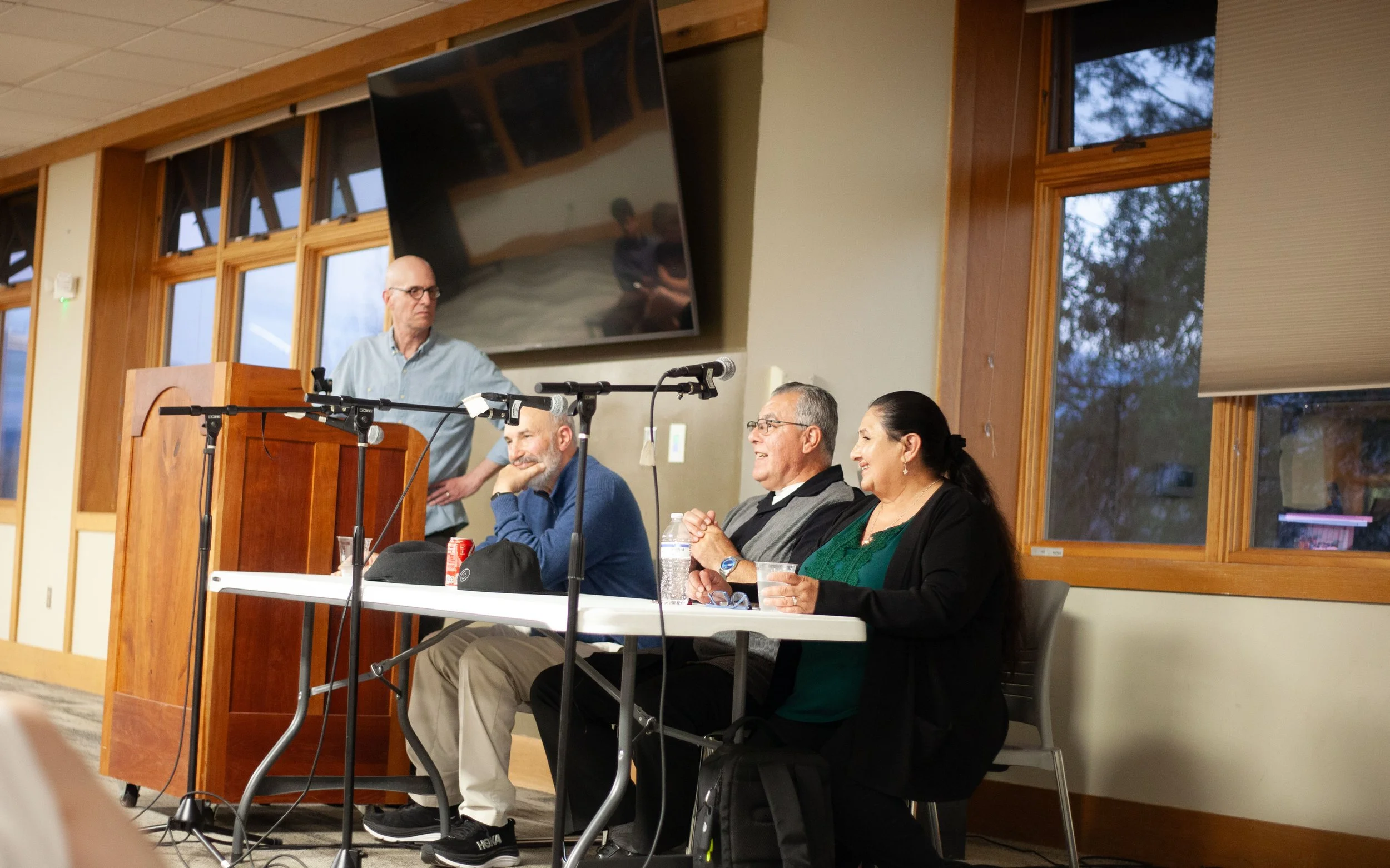
(L to R) Jules Lobel, the lead attorney on the Pelican Bay case (once the largest solitary confinement facility in the country); Jack Morris, one of his clients, who was in solitary for 40 years; and Dolores Canalas, long time activist against solitary confinement speak at the semester’s Nielsen lecture at Warren Wilson College on, March 26, 2026 in Swannanoa, N.C. (Echo/Emma Taylor McCallum)
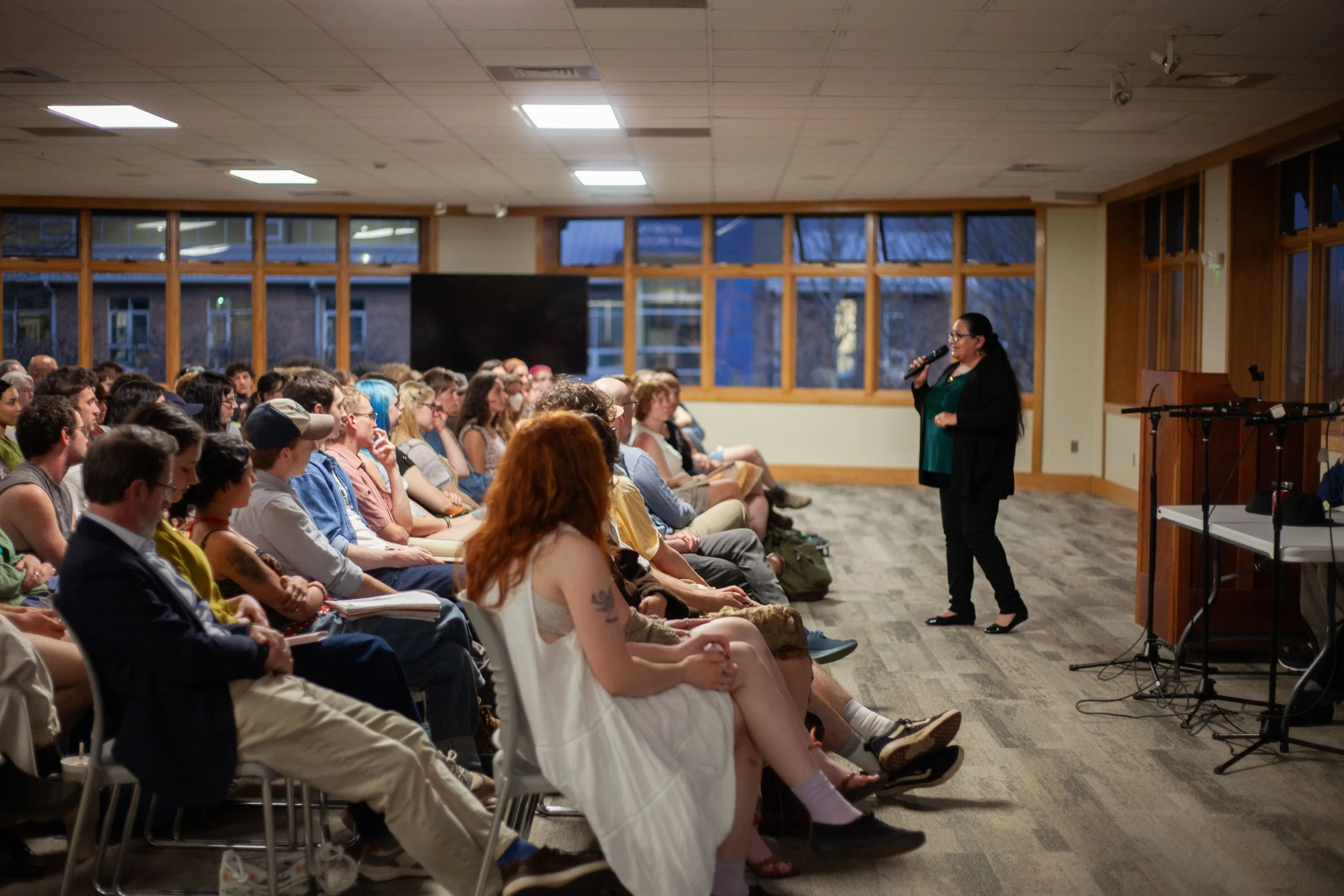
On March 26, there was a panel discussion funded by the Helmar Nielsen program and hosted by Nielsen Professor of Philosophy Todd May and Jay Miller, associate professor of philosophy and chair of the Public Humanities department. The panel discussed solitary confinement in prison systems with three guest speakers: Jules Lobel, lawyer, constitutional professor at the University of Pittsburgh Law School and president of the Center for Constitutional Rights; Jack Morris, an anti-solitary confinement activist who spent over 30 years in solitary, and Dolores Canales, the co-founder of Californian Families to Abolish Solitary Confinement and Unlock the Box, a national campaign focused on ending solitary confinement. All of these speakers spoke on the importance of using one’s voice to make change on widespread issues.
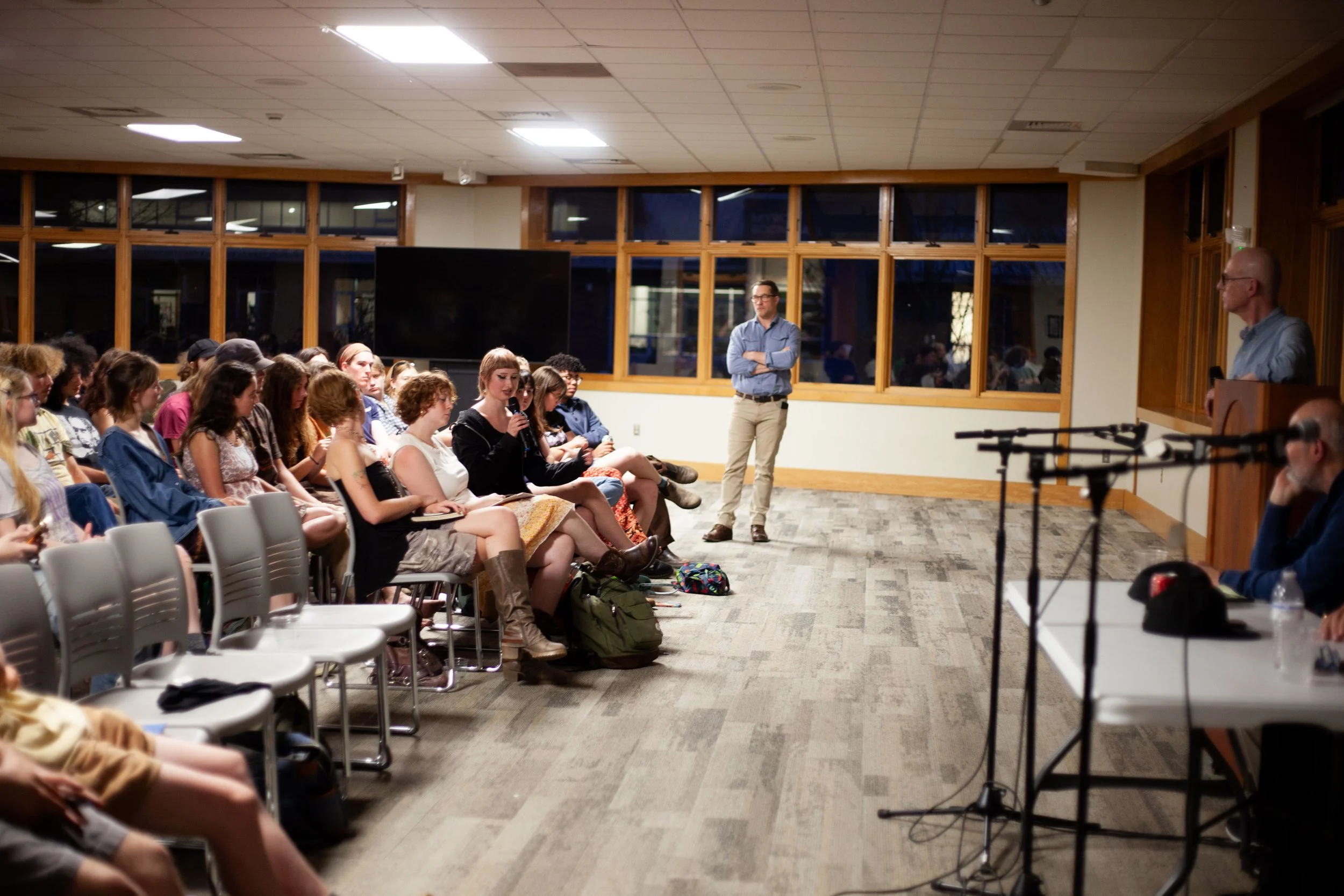
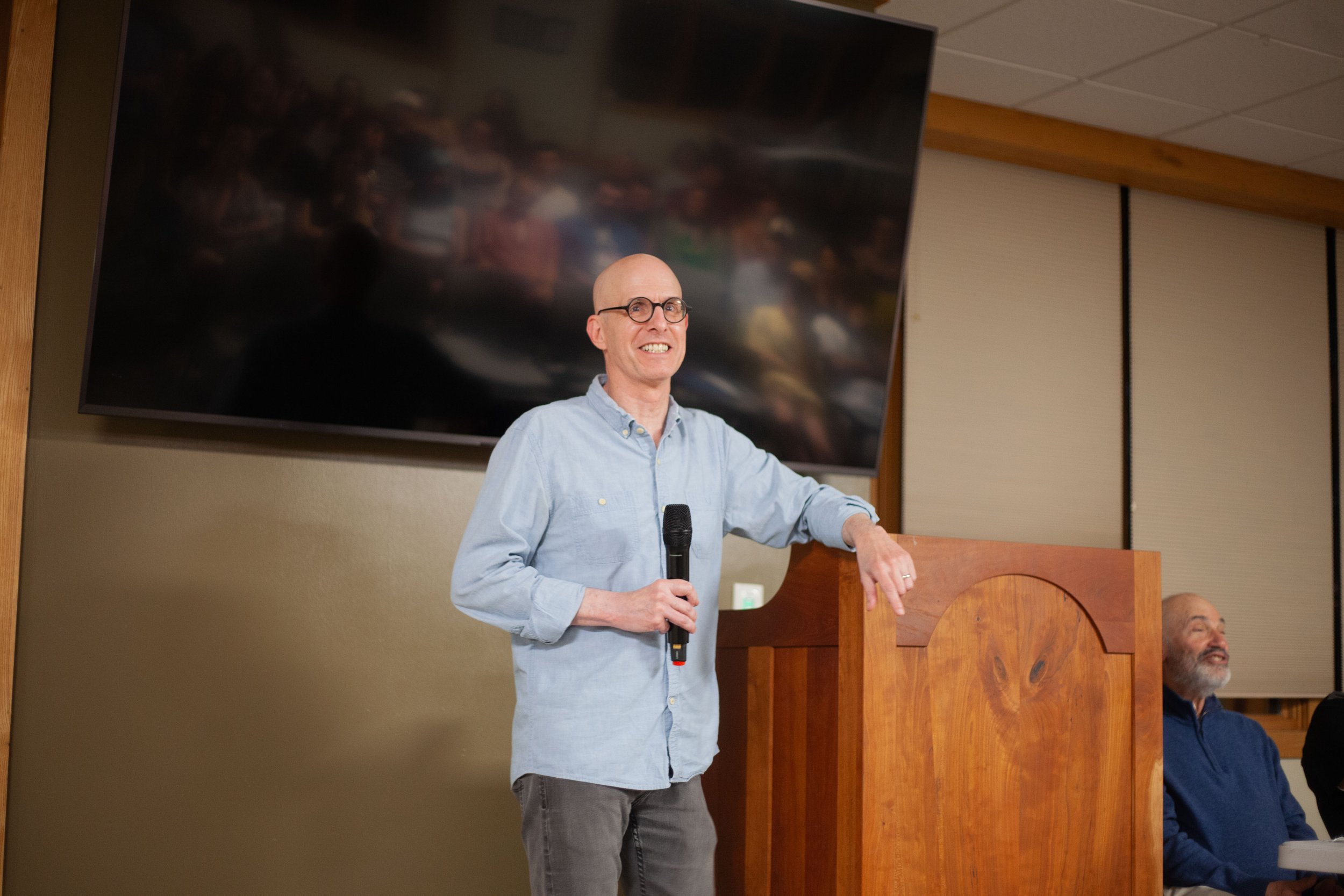
Lobel spoke about the steps needed to be taken to lessen the harshness of solitary confinement. By writing books, articles and being involved in multiple programs against solitary confinement, his and Dolores’ efforts were able to release more than 1,500 prisoners from solitary confinement in the state of California. It was a tedious journey,” Lobel admitted, and while change was made, there is still work to be done.
“I don't think you can make any great social change if you're afraid of losing,” Lobel said. “You have to be willing to accept that you can lose, that the odds might even be against you if you want to have a chance of creating social change.”
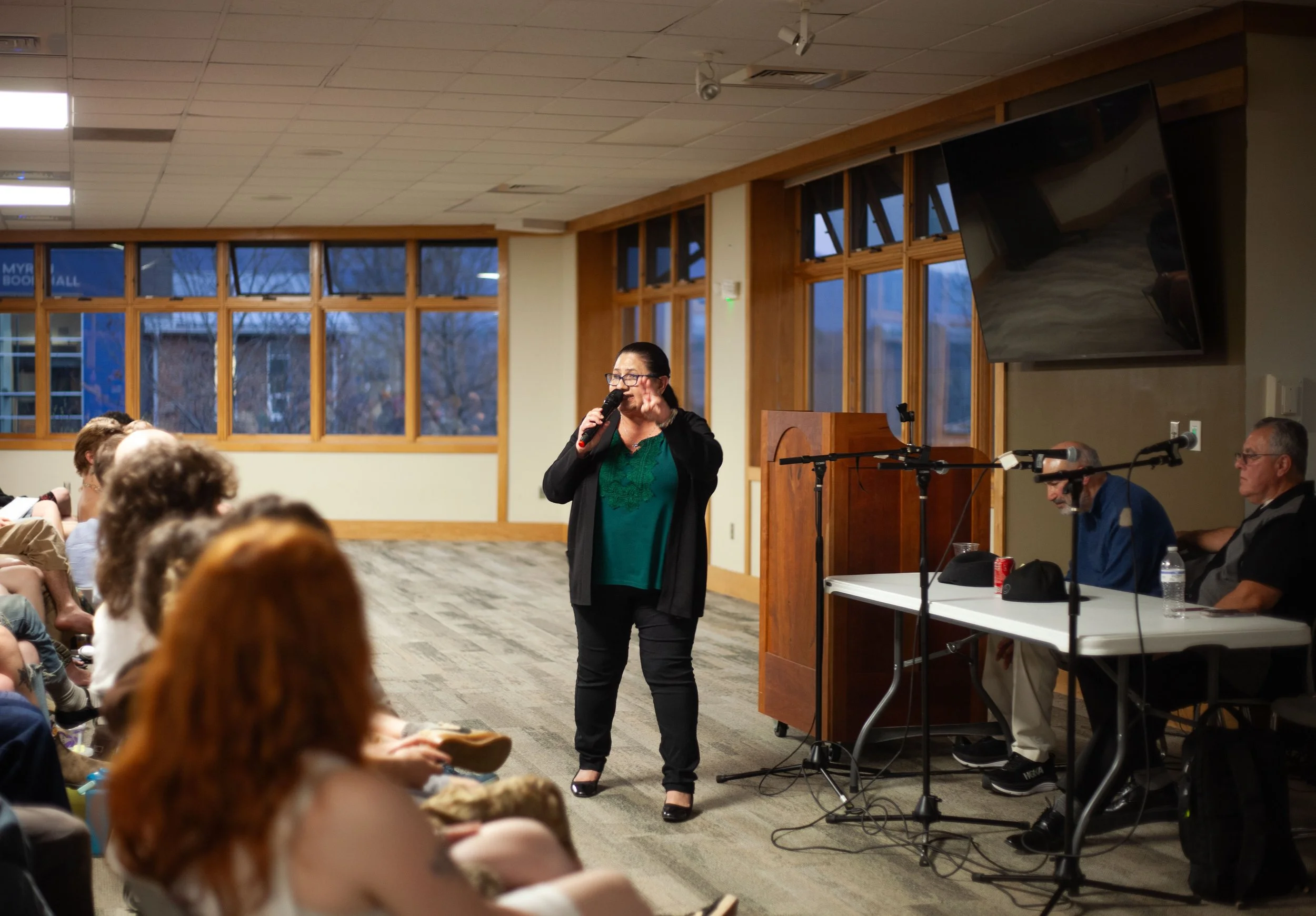
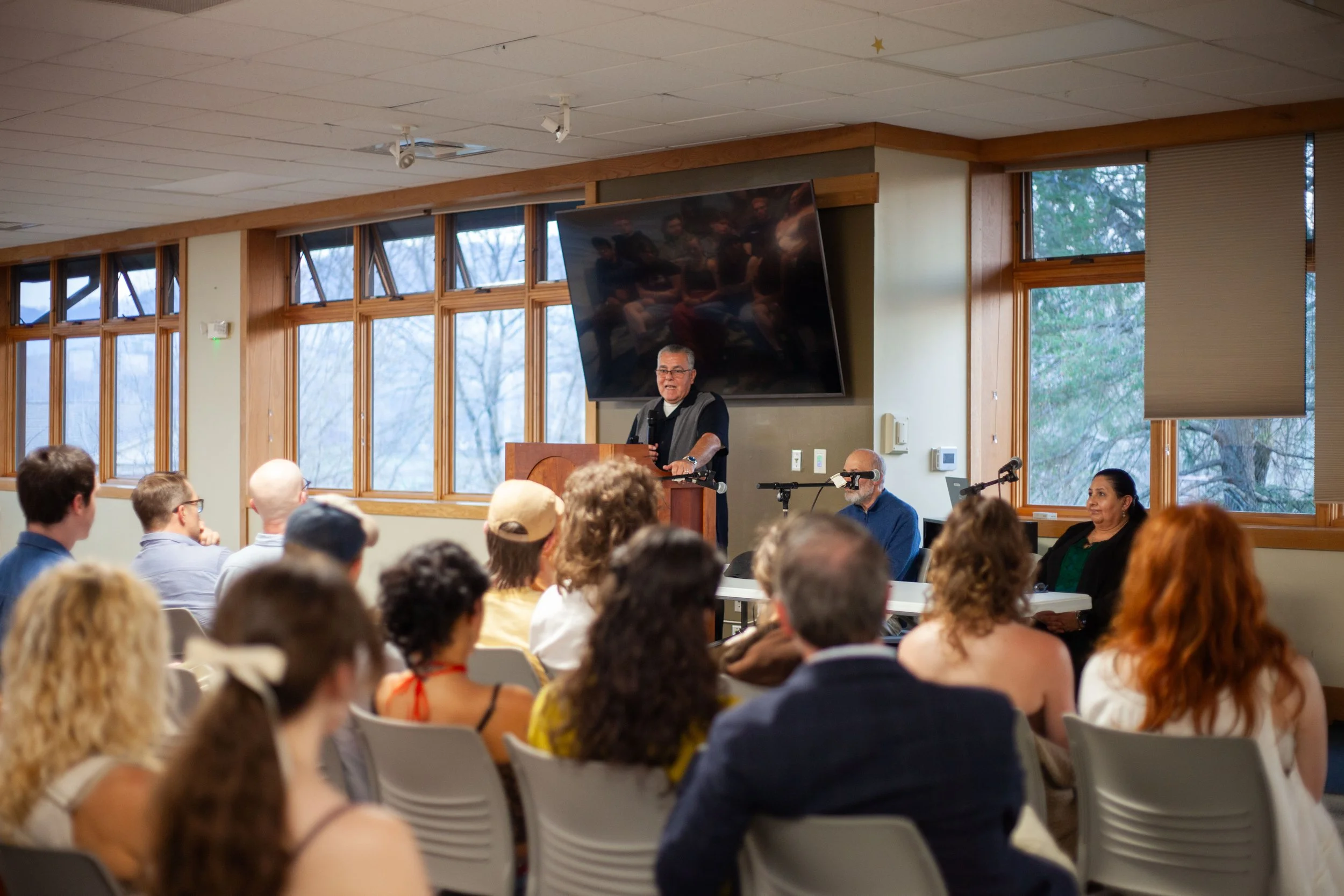
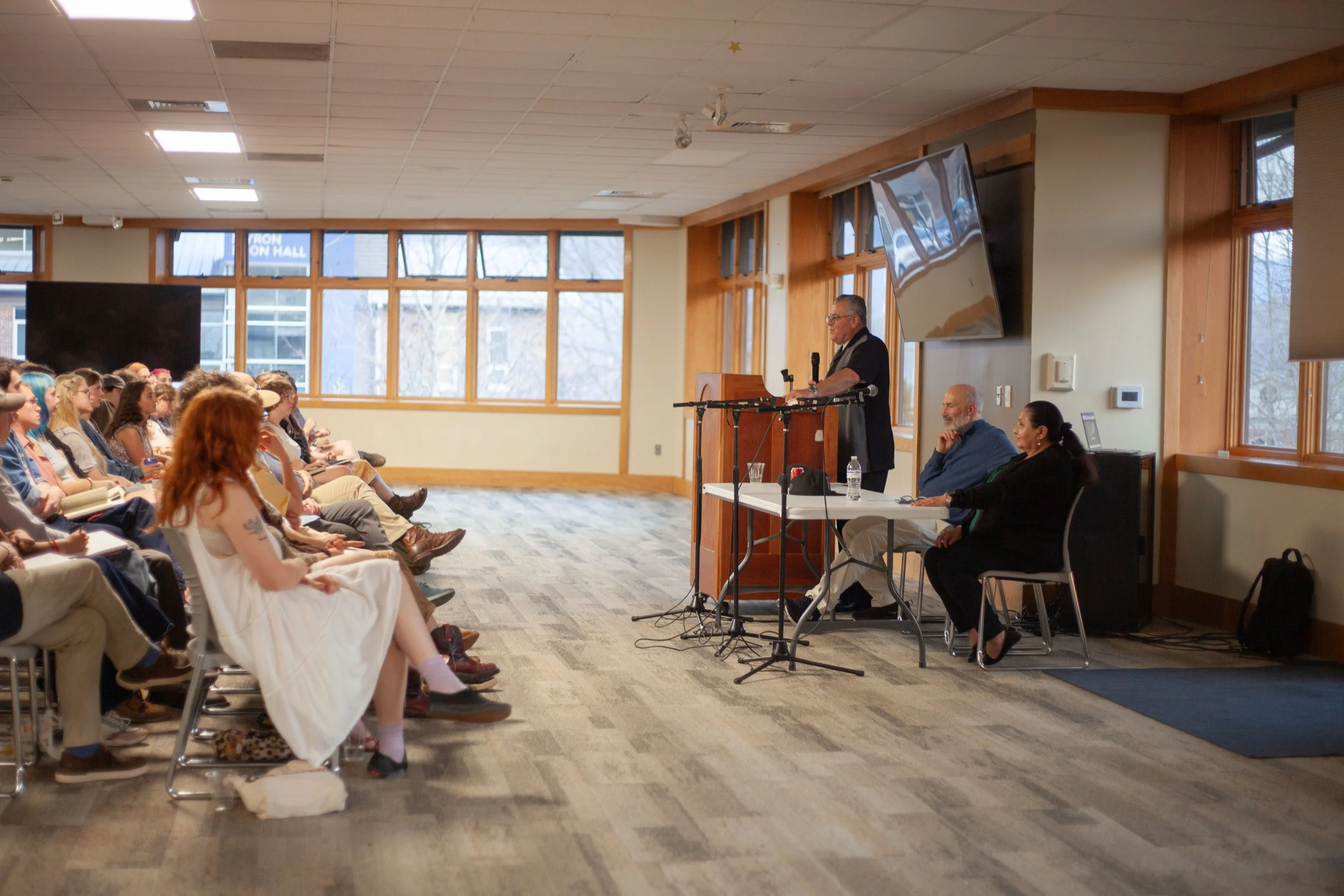
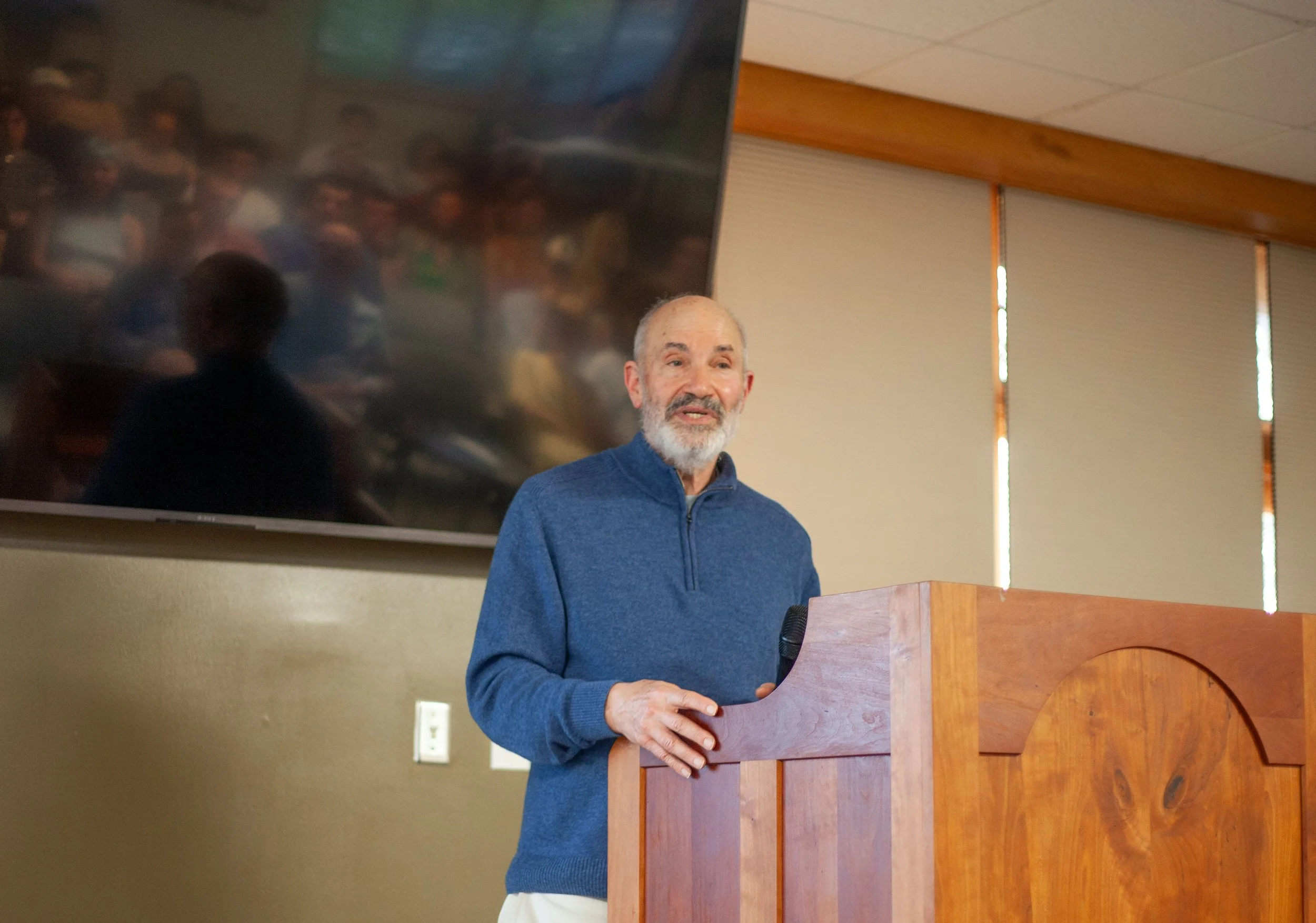
When Morris spoke, he described the experience of living in solidarity confinement for decades. Those at the panel were quiet, but there was an overall tone of sympathy throughout the room; listening ears and a curiosity about the extremes of the United States prison system. While Morris is living a fruitful life now, he hopes that sharing his story inspires those listening to take action.
“I'm living a wonderful life and having the opportunity to share my experiences, and hope that somebody that I'm talking to will understand that and need to help somebody that is getting out of prison, or county jail or detention centers,” Morris said.
Canales showed a video of an Unlock the Box campaign. In this video, people with loved ones in solitary confinement shared their stories in front of the California state legislature. In sharing their stories, the legislature was able to shift to less harsh punishment for inmates.
“Know your power, know your purpose and go after it and become absolutely unstoppable,” Canales said.
By using knowledge, wisdom and a powerful voice in the stories told, change can be made. Panels on campus allow students to gather perspectives about worldwide issues and discuss them, and teachers allow students to speak and find their own stories.