
Answer Richmond Takes on the World
Marion Manufacturing: A Homecoming
Richmond Joyce | April 28, 2026
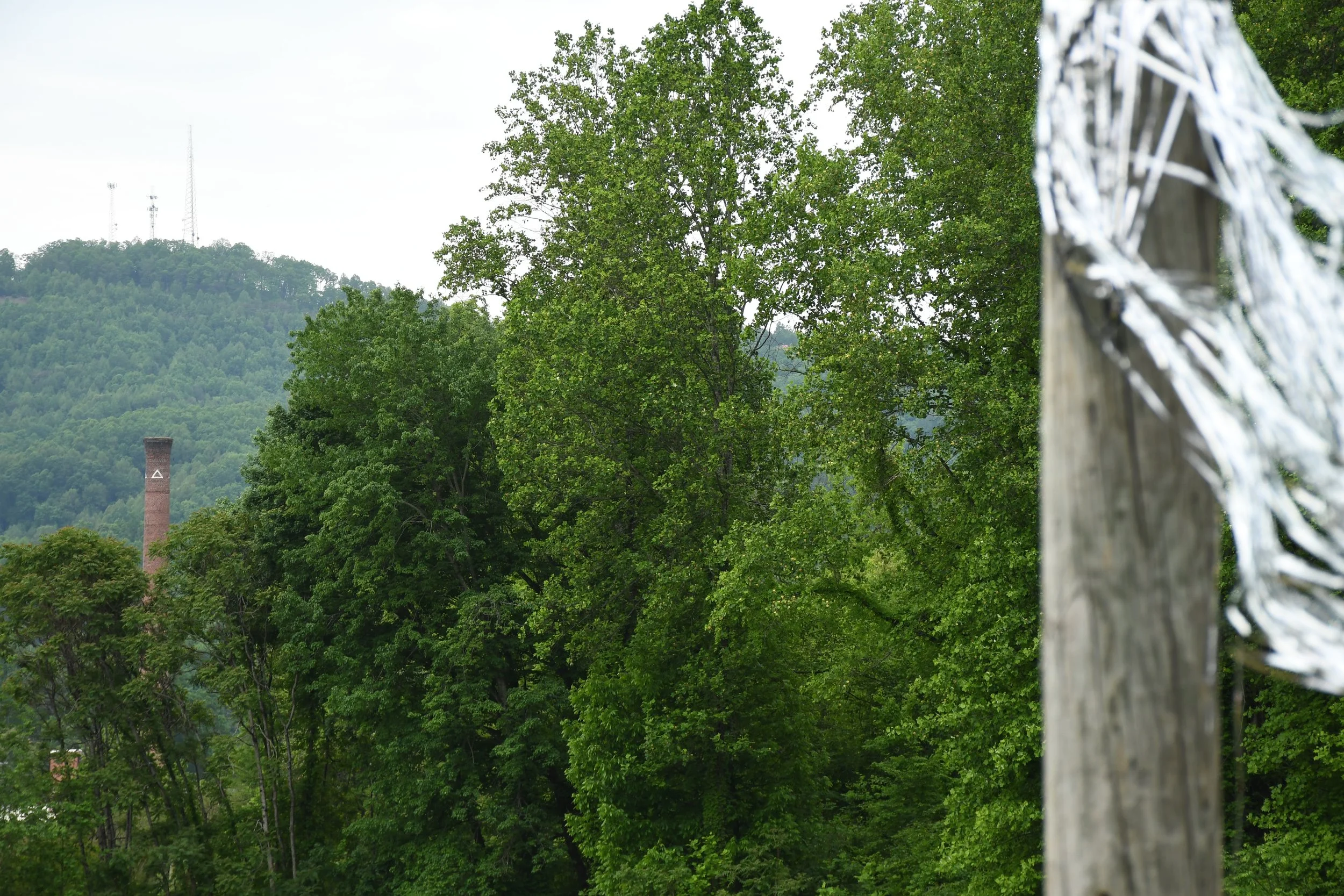
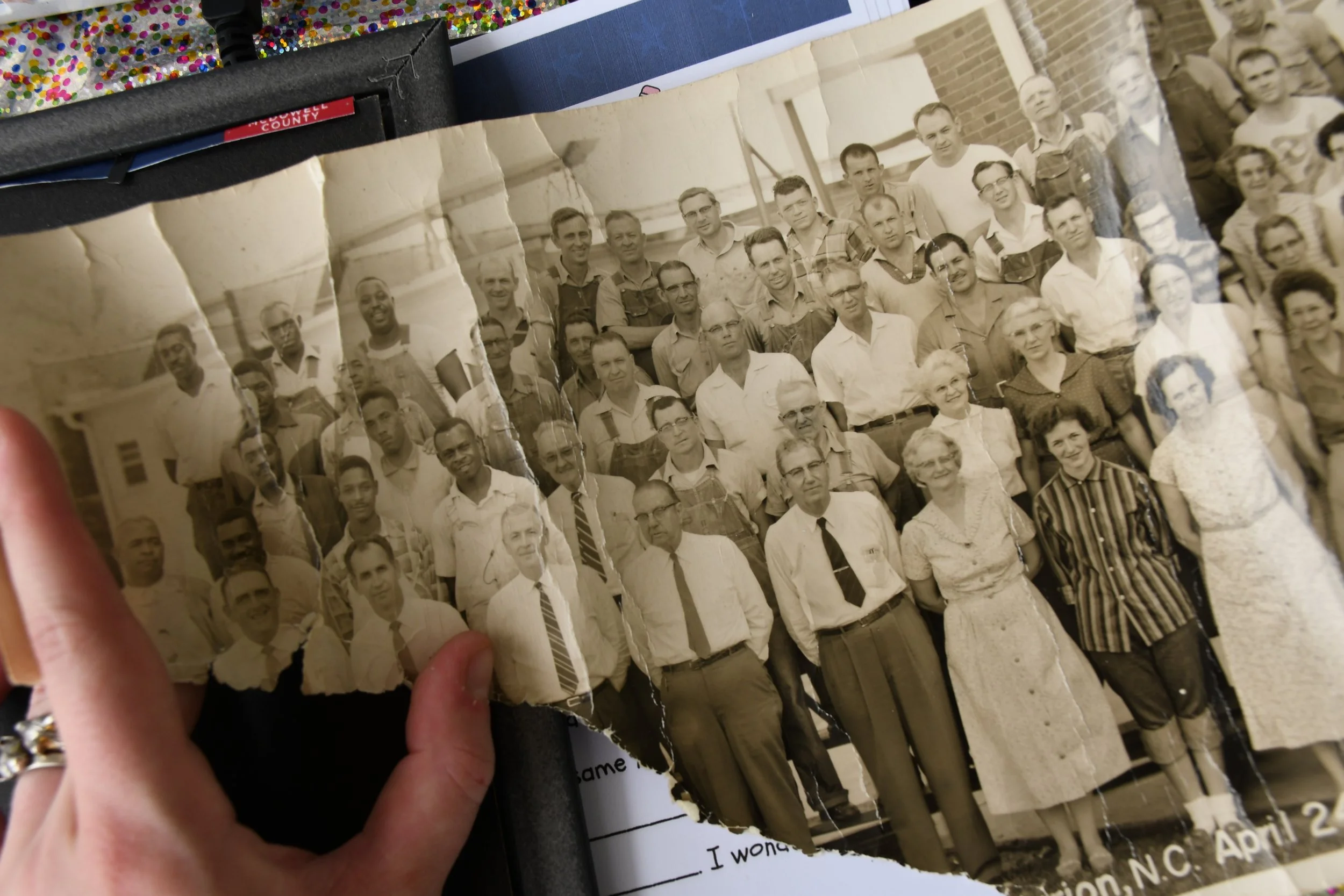
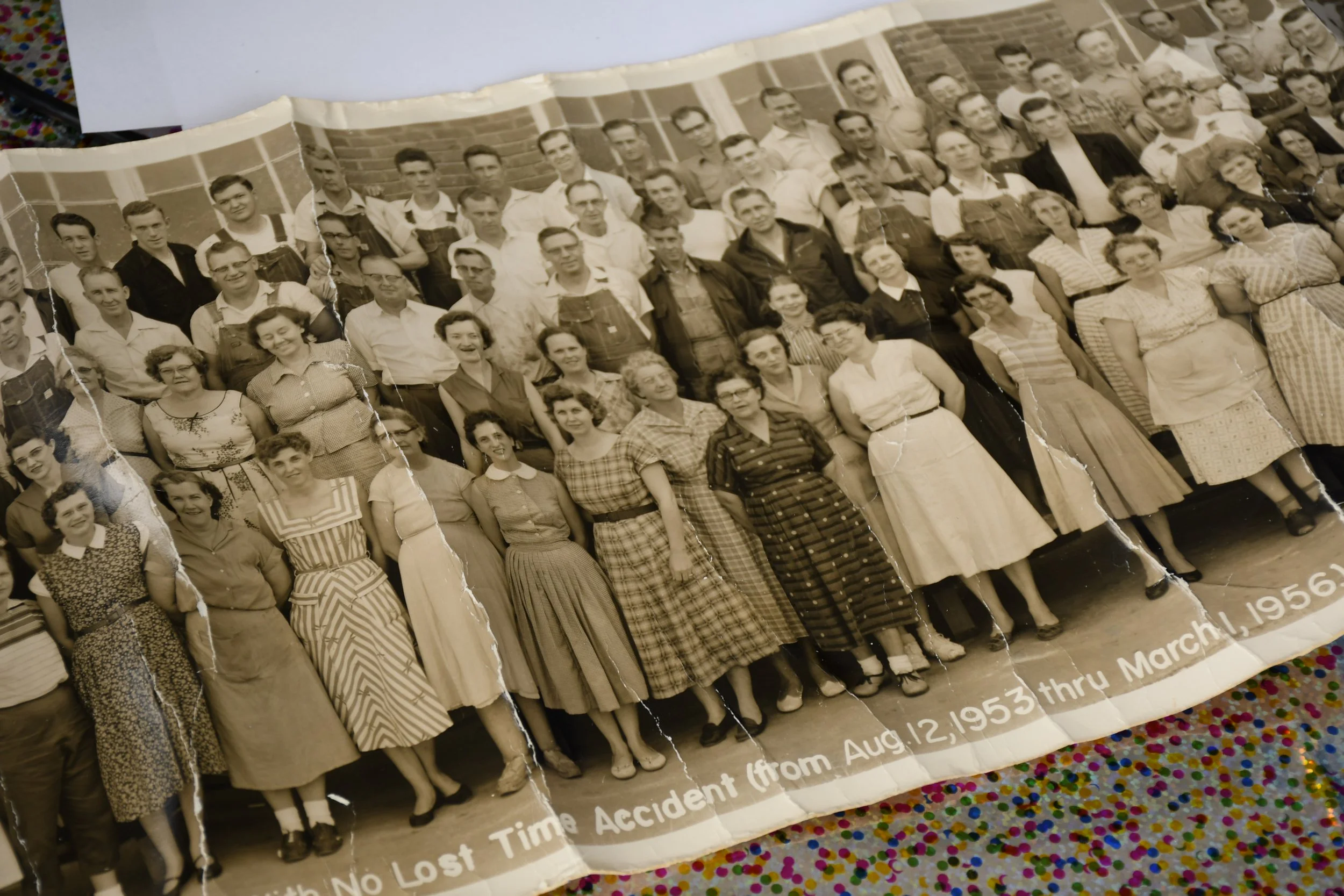
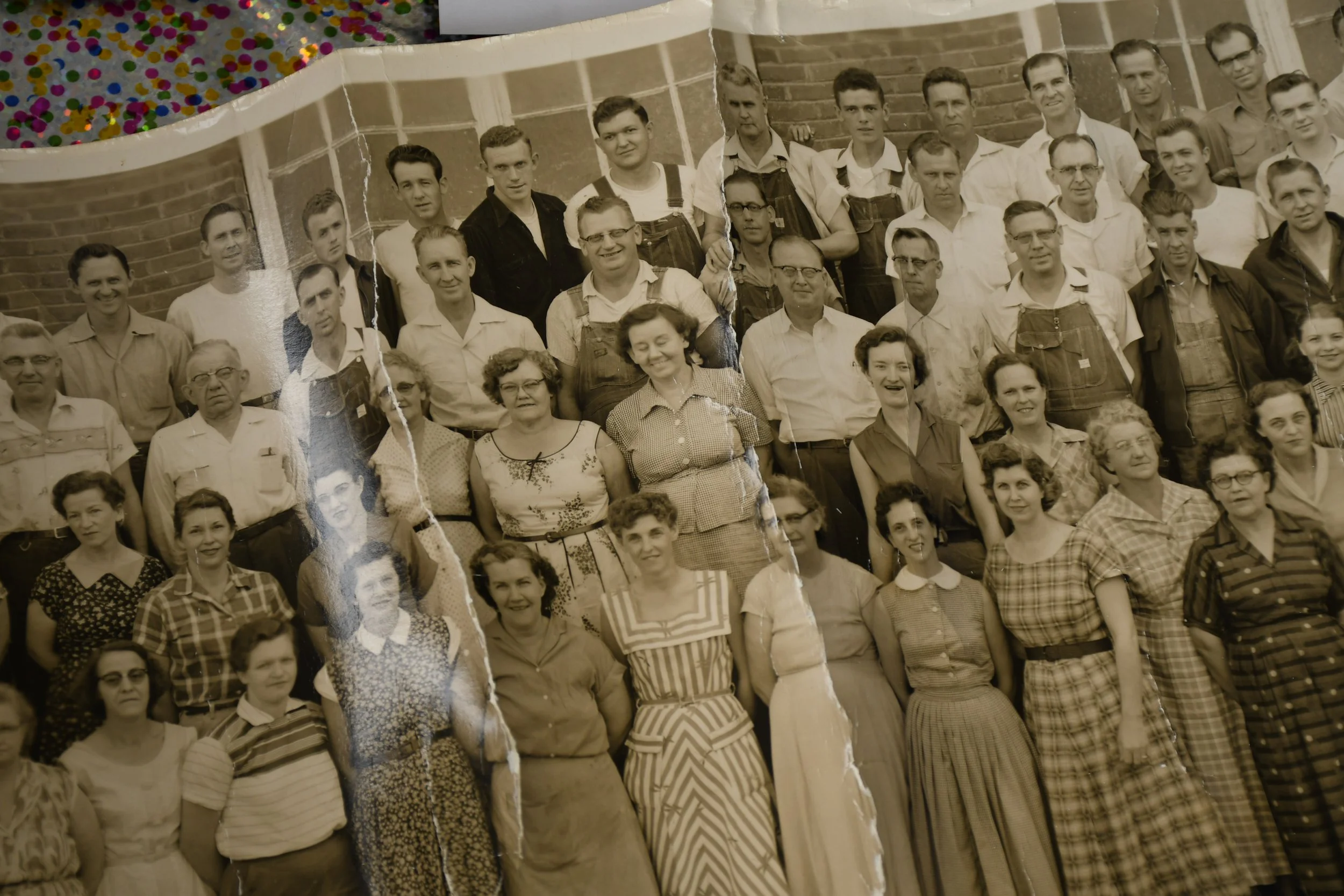
Marion, North Carolina, is a town that, like Swannanoa, was redefined in the early 20th century by the textile industry. Just a little way northeast of us, the first cotton mill in McDowell County was opened for production in 1910–the Marion Manufacturing Company. This business would put the small mountain town on the map in ways it never had been before, with both fame and infamy, until its closure in 1999 as more and more production was moved off of U.S. shores.
Shortly after the opening of Marion Manufacturing, two more textile producers would pop up in the same town: Clinchfield Manufacturing Company and Cross Cotton Mill. These three businesses, their sprawling brick constructions, and whooshing looms would be the backbone of Marion, North Carolina, for almost a century. In this period, cotton mills built and owned the schools, churches and houses that their working communities lived in. These company towns were undoubtedly wildly manipulative as they were able to hold the basic needs of a family over their heads should they get too many ideas about unionizing or labor organizing. However, they also fostered communities that lasted for generations and formed the kinds of relationships between neighbors that are seldom seen today in the United States.
The power of the rich mill owners in Marion showed their hand in 1929 when workers across town, but especially at the titular Marion Manufacturing Company, struck for fairer wages and better working conditions. Strikes began in July, and by October of the same year, the men in charge had had enough of the disruption to their manufacturing process. With their monopoly over the town, including control over the sheriffs and deputies, armed police shot into a crowd of strikers, killing six people and wounding upwards of 15 others. These murders caused outrage across the United States, being dubbed the “Marion Massacre”, and would be a large enough moment in Southern labor history that it would be written about in a song by famed folk song writer Woodie Guthrie.
However, within McDowell County, this disaster has been largely swept under the rug. The subject was quickly deemed too taboo, and the next generations were barely ever informed of the massive momentum shift that occurred in their own backyard. Adjunct professor Jordan Laney, born and raised in McDowell County and the instructor of Traditions of Work & Music in the Southern Mountains here at WWC, has wanted to see this change. To normalize discussion of this tragic event, she knew she first had to reach out to the community, to form trust and understanding.
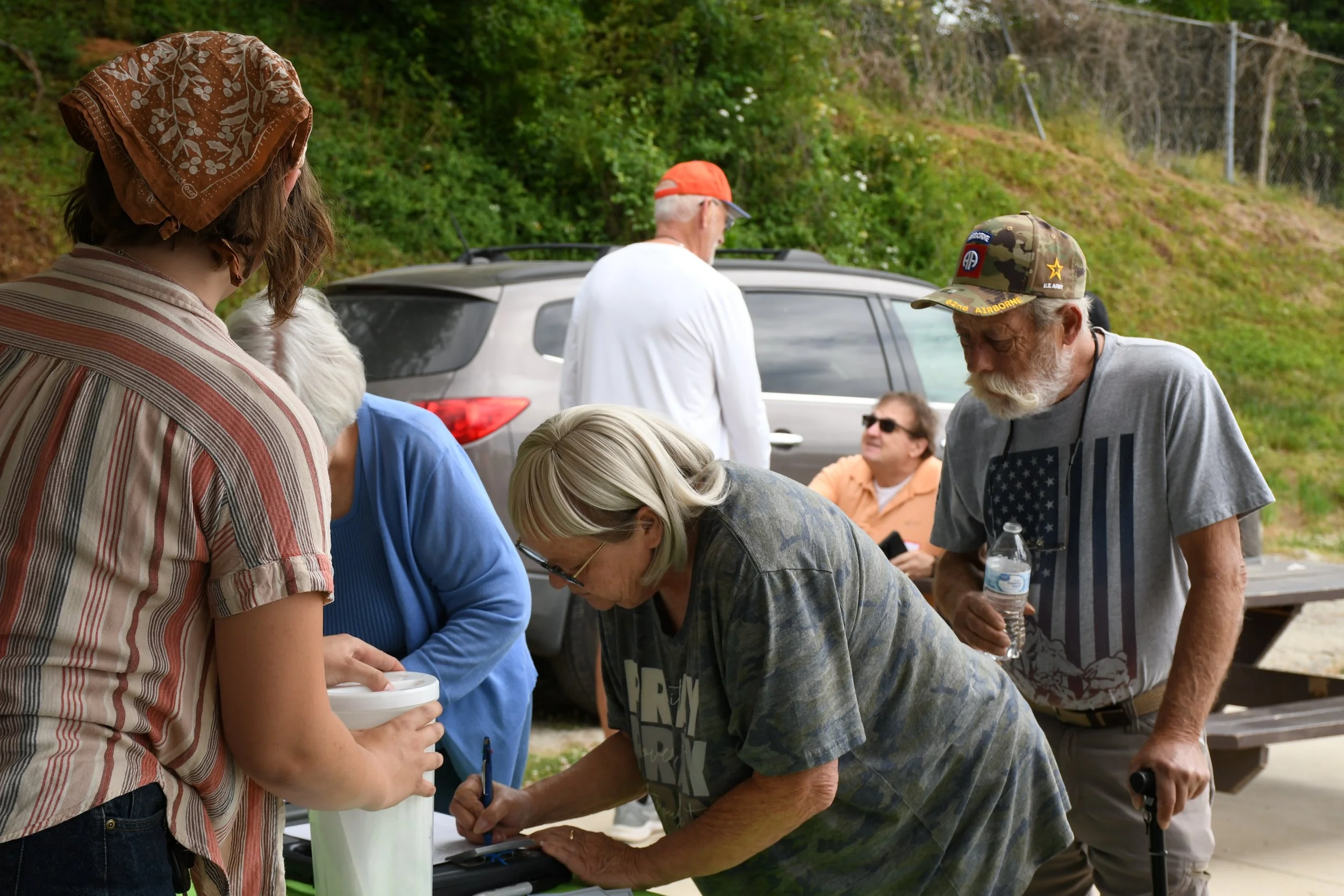
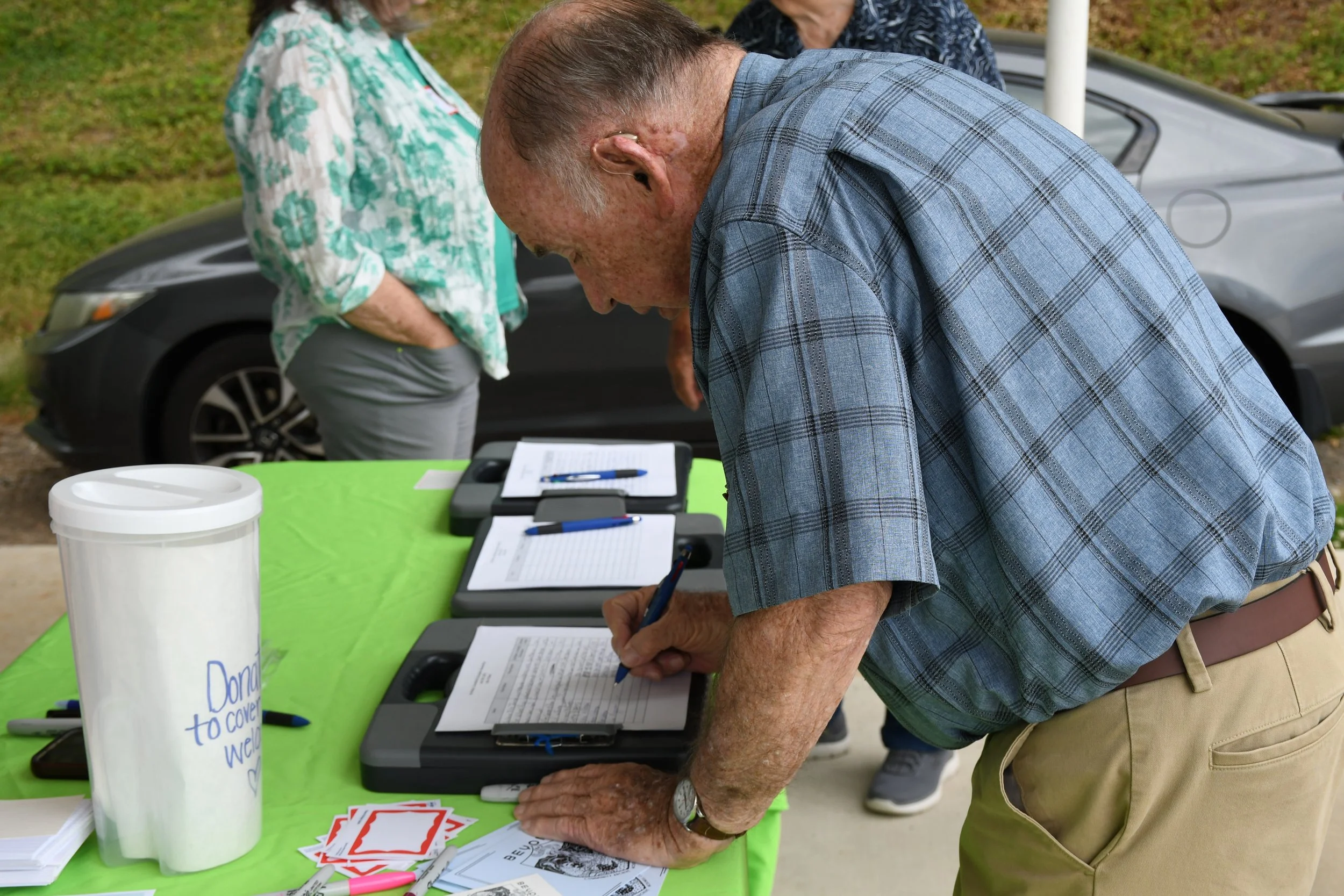
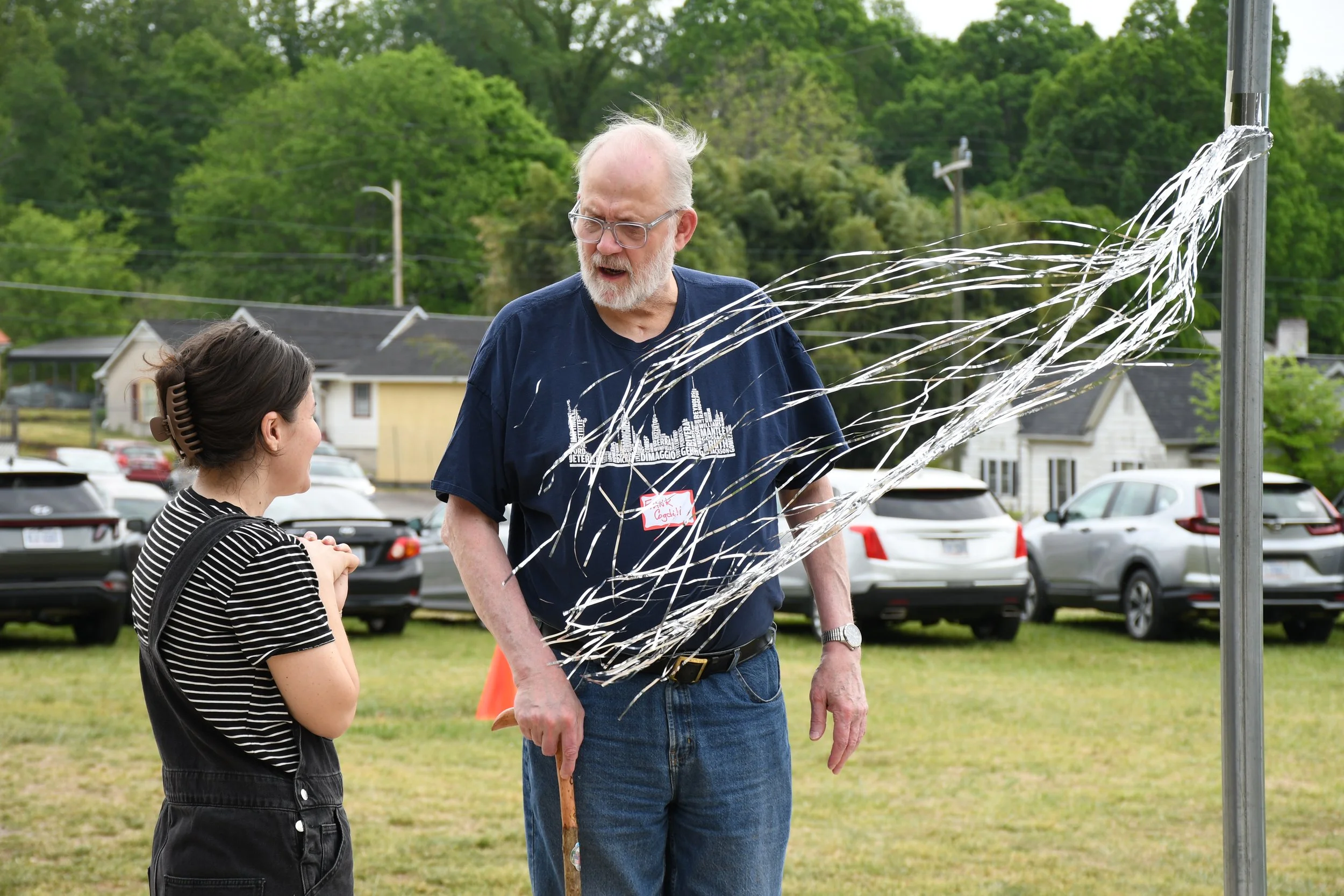
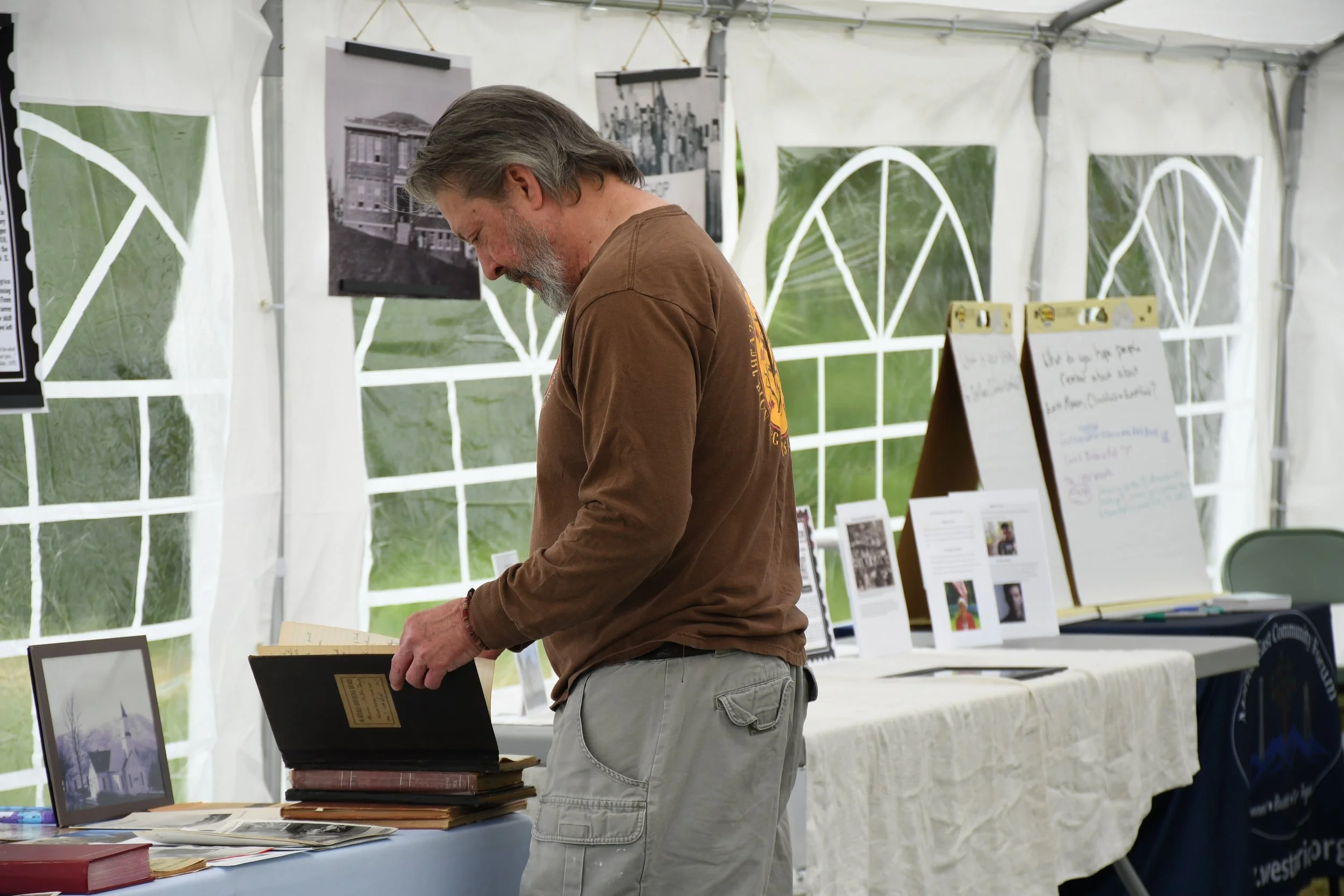
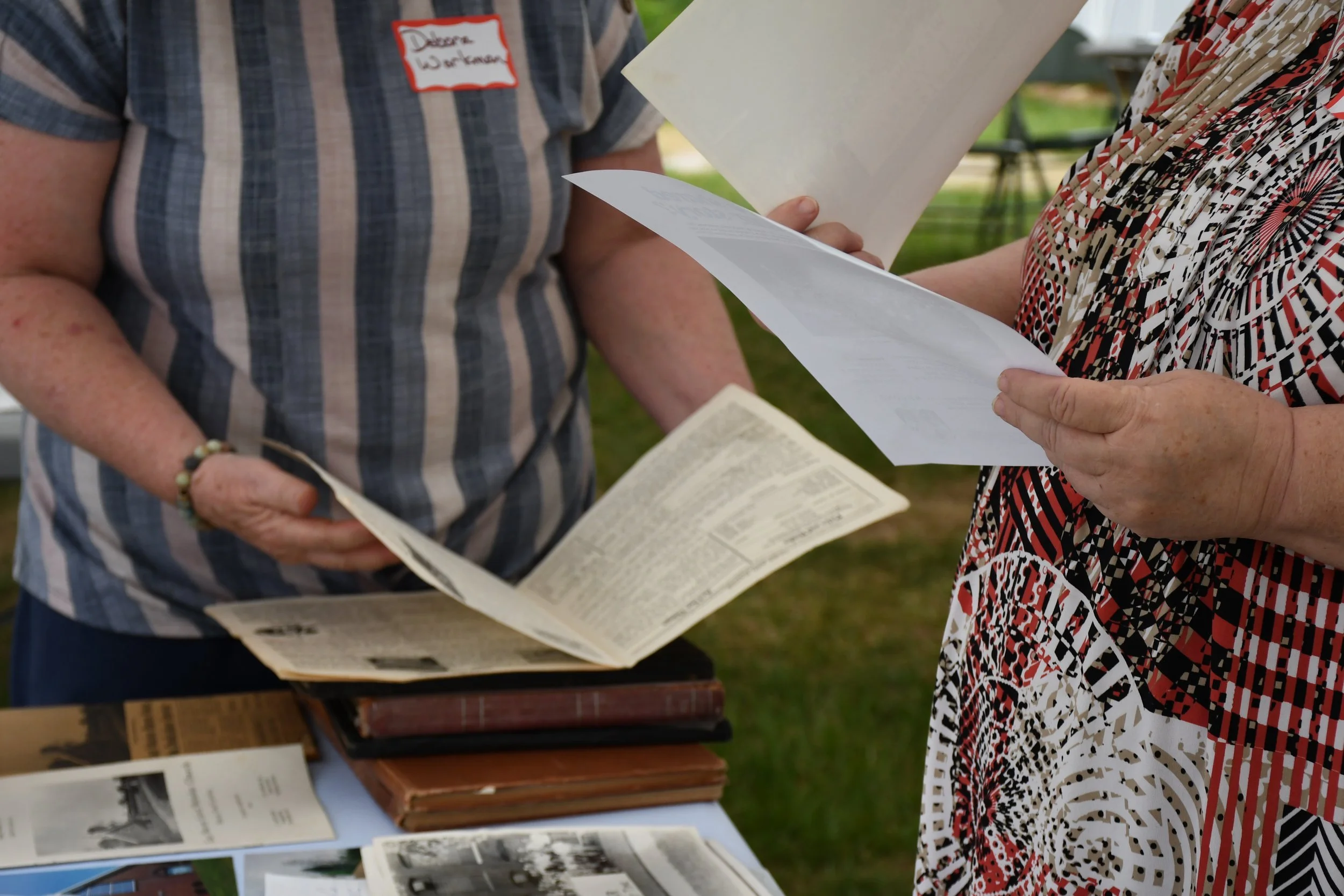
This is the context for the event Laney organized with thanks to the Beyond 1842 project—a community archive and oral history program in McDowell—and an America 250 grant. On April 25, 2026, Laney, her class of WWC students and members of the Marion community came together in an effort to organize a “homecoming” for the population of millhands who still recall the prime days of textile manufacturing and want to see that memory kept alive. Catered food, a picture booth, a place to scan photos so that they can be accessible to all through the library system and an information tent were prepared and then proceeded to welcome upwards of 75 millhands to the site of the old schoolhouse where many of them spent their formative years.
“It’s both a celebration event and a start to gather a lot of contacts that we can follow up with and do one-on-one interviews with,” Laney said. “The main goal was to connect to the community… to show the communities that are still left around Marion that we remember the work that they did. I think it’s important to recognize communities that haven’t been archived and haven’t been remembered officially, and it’s important to give people a space to gather and come together and connect.”
As a member of her Traditions of Work class, I sat down with multiple ladies and gentlemen and interviewed them on their experiences and memories. Textile mills are a particularly strong interest of mine and working on this gathering was a dream come true for me—to see so many “lintheads” come together and swap stories and merrily meet up for the first time in years, hugging and laughing and sharing a meal, reflecting on the days of their youth, was genuinely a delight.
“Marion has a very specific, very important mill history that is still difficult to talk about. And so opening up spaces for people to begin talking about fond memories and challenges is a big step forward,” Laney said. “I just think remembering that everyone’s story is very important and community gatherings, in a physical space, with multiple generations, are crucial for creating collective identity, and for recording and archiving social and cultural histories, but also to help us move through current challenges together.”
Beside the table to sign-in was Candace Workman, the historian for the McDowell County Public Library, and a friend of Laney’s. Workman was manning the photo scanner and discussing the town’s history with folks as they walked through the event. When asked if she felt fulfilled after the event was over, she responded with a resounding yes.
Despite the rain, which ended the event before the planned baseball game could be played and likely scared off some curious parties, the gathering was a success. Laney’s project now has a long list of names and faces to sort through and interview, and a community who are becoming ready to come together once more and maybe even retell the parts of their town’s history which were only whispered about as they were growing up.
As a storm rolled in above our heads, my classmates and I ran down the hill onto the old baseball field where we had spent the afternoon hearing old-timers reminisce about it. The greenery was lush in the rain and the red clay seemed to coat us before we even got out onto the pitch, but we found a ball and started to kick it until we were soaked and thunder started rolling over on the horizon. As we laughed and ran and cheered each other on, running from base to base, I hope that the sound was reminiscent of the folks up on the hill, and the ghosts who wander that gully, and the days of youths which have passed, but will not be forgotten.