

The Future of Warren Wilson: State of the College Address
Jaylei Davis | Sept. 8, 2026
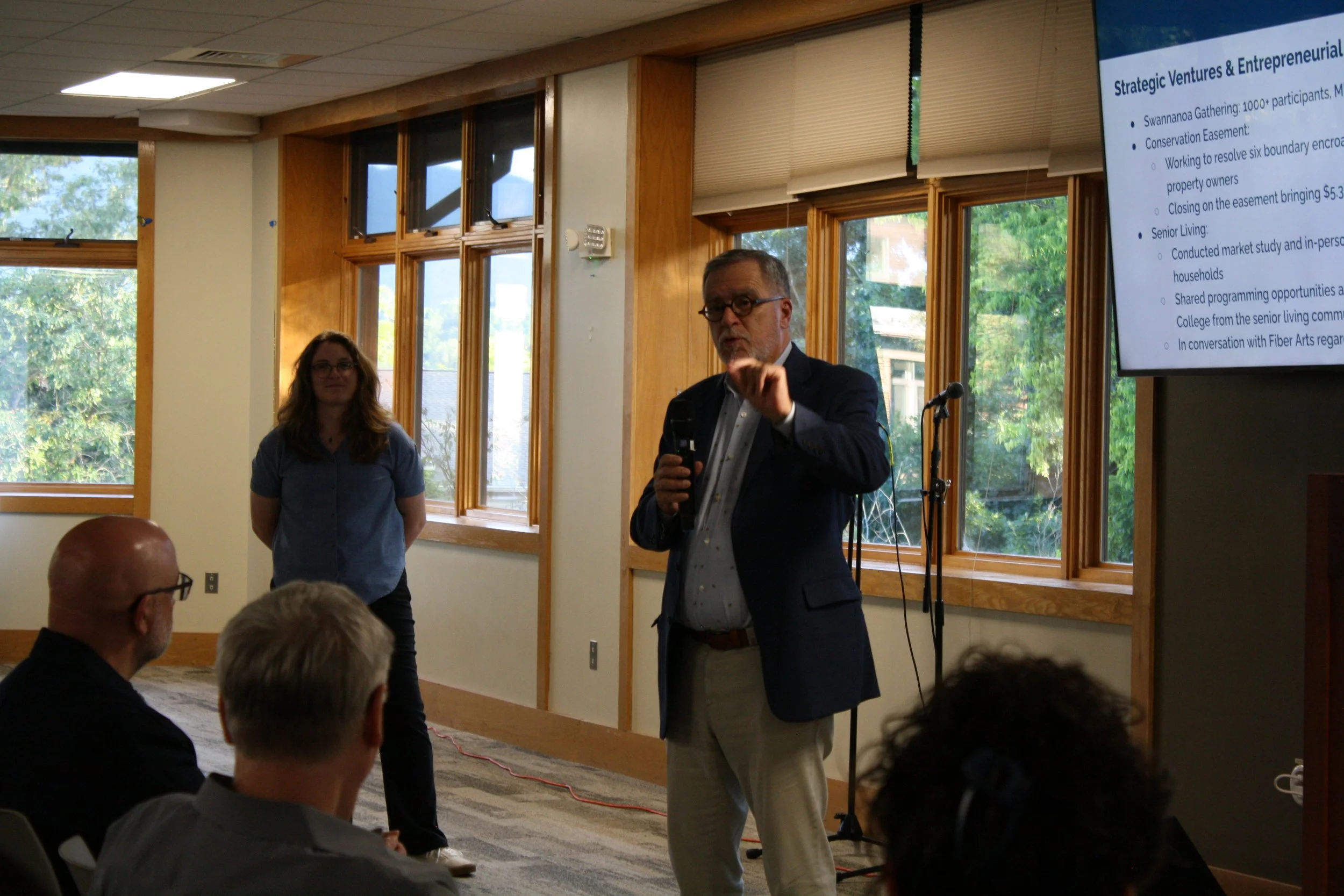
Warren Wilson College president Damian J. Fernandez speaks in front of students at the State of the College Address on Sep. 2, 2026, Swannanoa, N.C. (Echo/Emma Taylor McCallum)
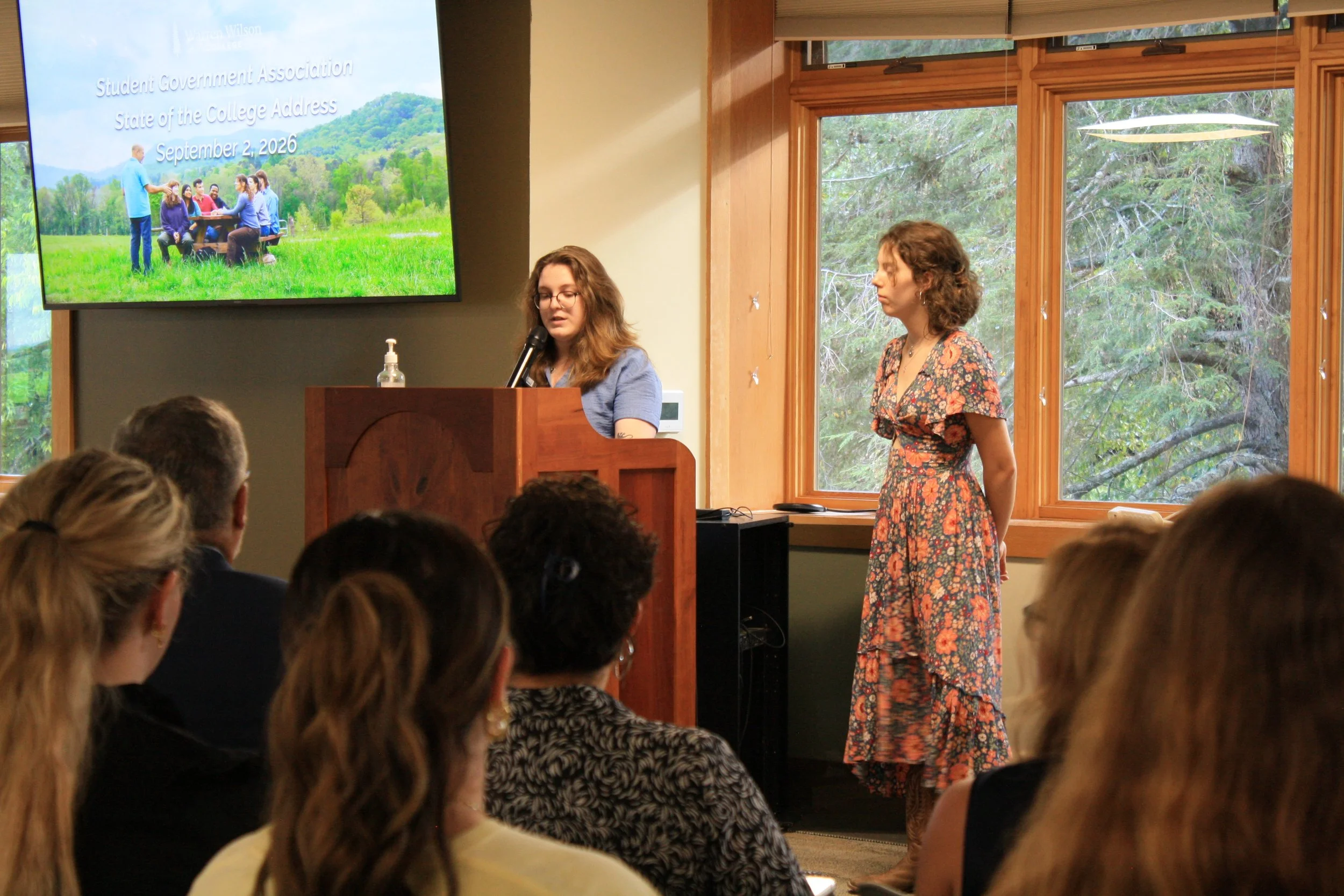
On Wednesday, Sept. 2, 2026 at 6:00 p.m. students and faculty gathered in Canon Lounge at Warren Wilson College (WWC) for the State of the College Address. The address was modeled after long-standing traditions within other communities to help keep people updated on things happening in the community. The event, run by the Student Government Association (SGA) co-presidents Rianna Baecher and Lauren Holding, was held to give faculty and staff a platform to inform students of the many upcoming changes for Warren Wilson.
This year WWC has welcomed 261 new students from thirty-four states and three countries, along with 11 new faculty members. With this comes new opportunities and changes for the college. One of the main projects introduced by Brian Norman, the new Provost and Dean of Faculty for WWC, was The Progressive Promise.The Progressive Promise involves the Center for Experimental Learning (CELC) working with the Center of Working Lands (CWL) to provide the students of the college with an enriching experience. Students work alongside the WWC faculty via individually assigned work crews that assist in improving student and campus life.
The Progressive Promise brings together a variety of crews and faculty to help improve WWC student engagement by creating chances for increased research and academic opportunities. An example is the Agrivoltaic Project that was introduced by Dave Ellum, Dean of Engaged Learning and Working Lands during the college address, and will be overseen by the Garden Crew. The Agrivoltaic Project consists of students putting solar panels within the WWC garden and testing different crop systems. The hope is to be able to farm the land twice by using the sun and the electricity produced via the solar panels – providing a more efficient use of solar power and space.
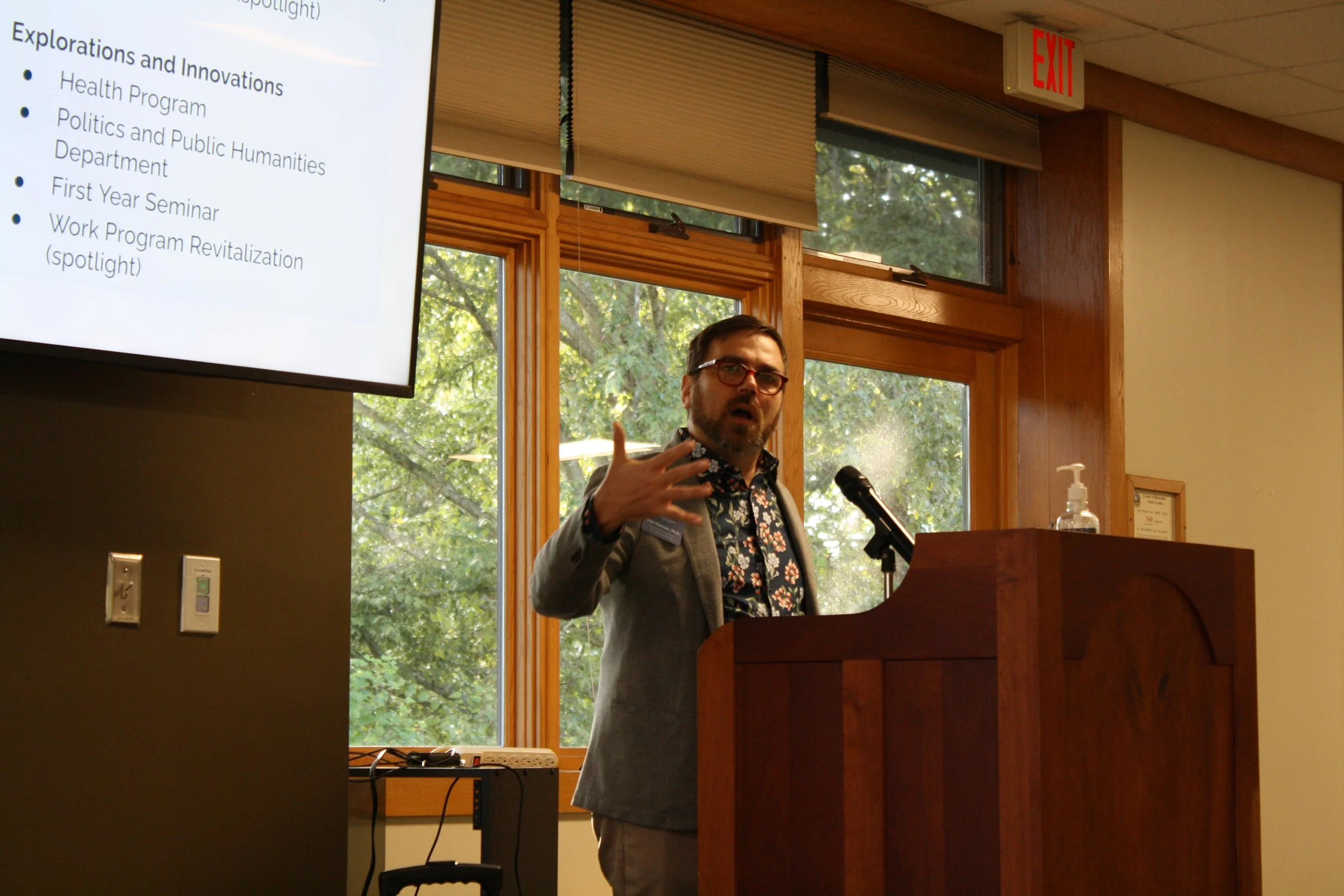
Multiple initiatives aim to improve student engagement on campus. Joel Bluml, Vice President of Student Engagement, has many promising initiatives and investments he wants to put into campus to improve how students feel about and interact with WWC.
“Students who feel they matter, belong and are valued are far more likely to persist, achieve academically and graduate,” Bluml said.
Bluml’s biggest objective is for student voices to be heard. Several efforts have been implemented on campus to make sure this goal is met. Having a new and free certified counselor, AJ Carusso, who is the triage case manager on campus, has opened up the opportunity for students to talk to someone who truly knows how to help them. Additionally, WWC has hired Dr. Pam Foster as faculty to work specifically with students as the Title IX Coordinator.
The most recent effort is the Democracy in Action Initiative, which introduced a common read on the campus: "Democracy May Not Exist But We Will Miss It When It’s Gone” by Astra Taylor. The program is designed to connect the campus through shared reading material and discussion groups.
Damián Fernández, President of WWC, wants this new initiative to allow students to think about big questions in relation to the country they live in.
“The purpose is to engage our students with one of the fundamental issues of our times,” Fernández said. “This is a progressive institution that wants to empower students, to engage with those big questions: environmental prices, inequality in the United States, the future of democracy.”
The president himself is getting involved by launching a presidential Democracy Series on March 1, 2027. The first session will feature Dr. Daniel Ziblatt, the author of “How Democracies Die,” as a guest speaker.
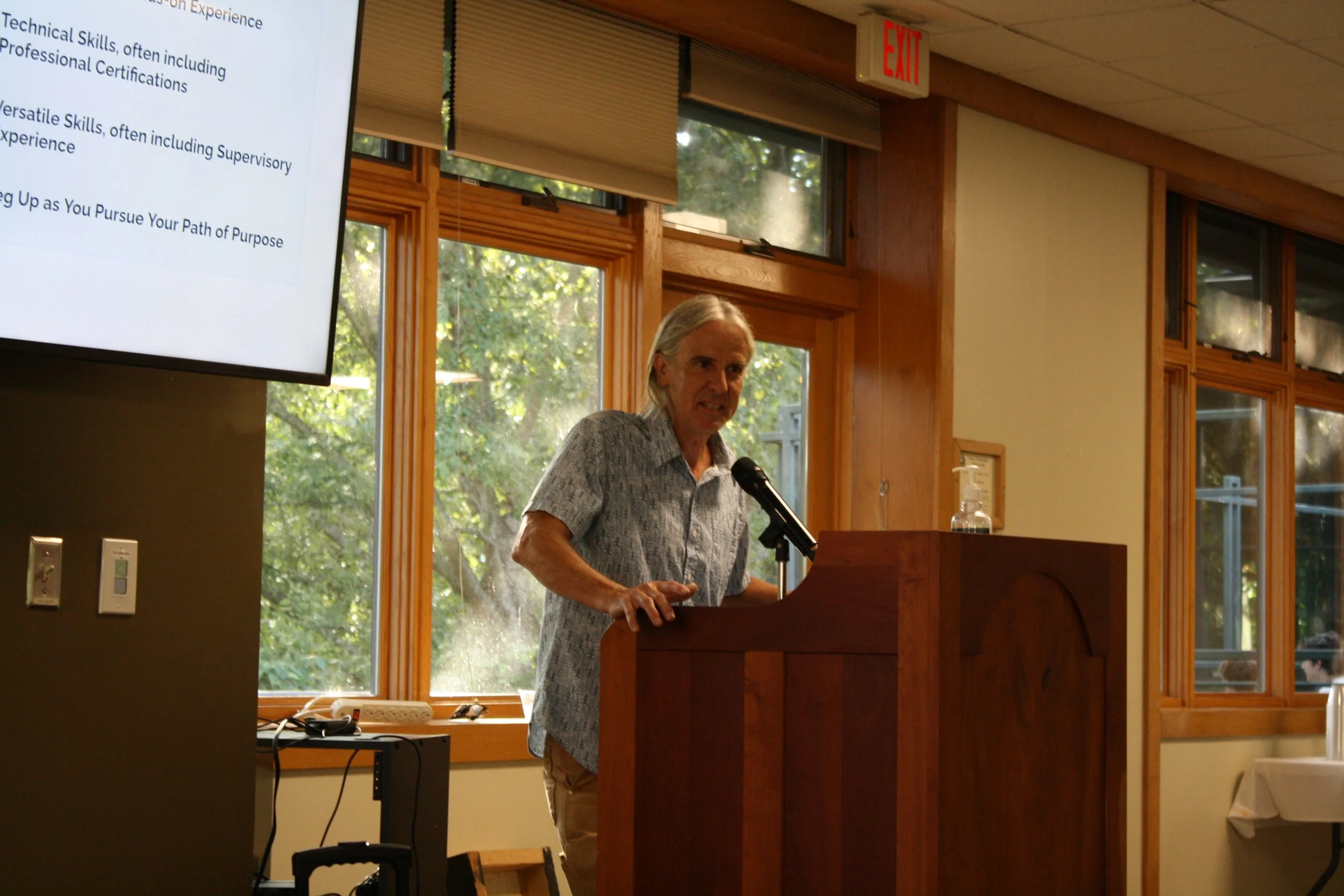
The college wants to expand what students are academically exposed to in hopes of readying them for their careers outside of WWC. Lots of new resources are being put towards providing students with the chance to earn professional certifications and gain supervisory experience.
Fernández explained that he wishes for students to have an abundance of opportunities outside of the college.
“We want our work program to provide opportunities for external internships, externships, for our students, with government, corporations, non-profits, of all varieties,” Fernández said. “So you could follow your own interests, your own passions, with these assortments of externships.”
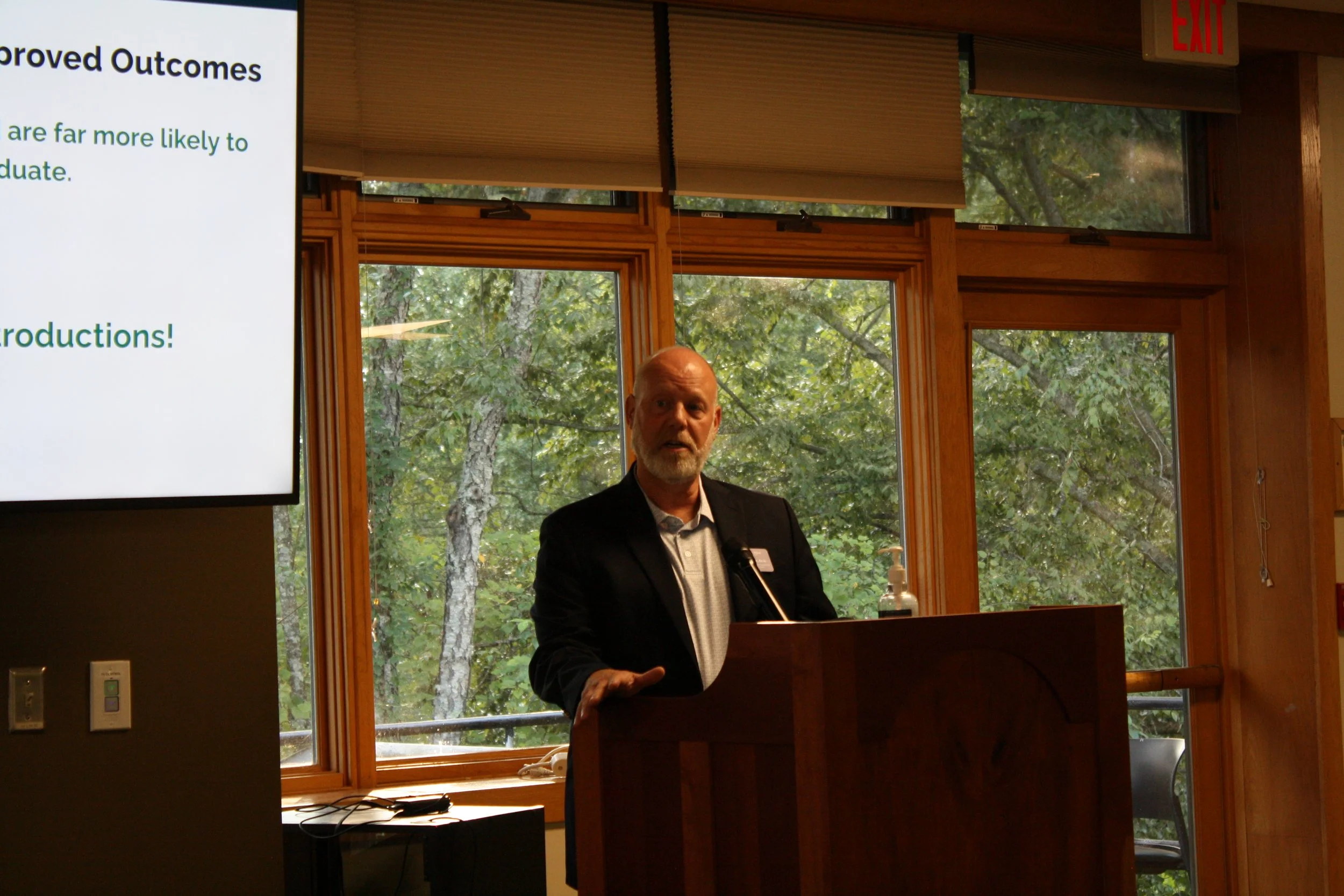
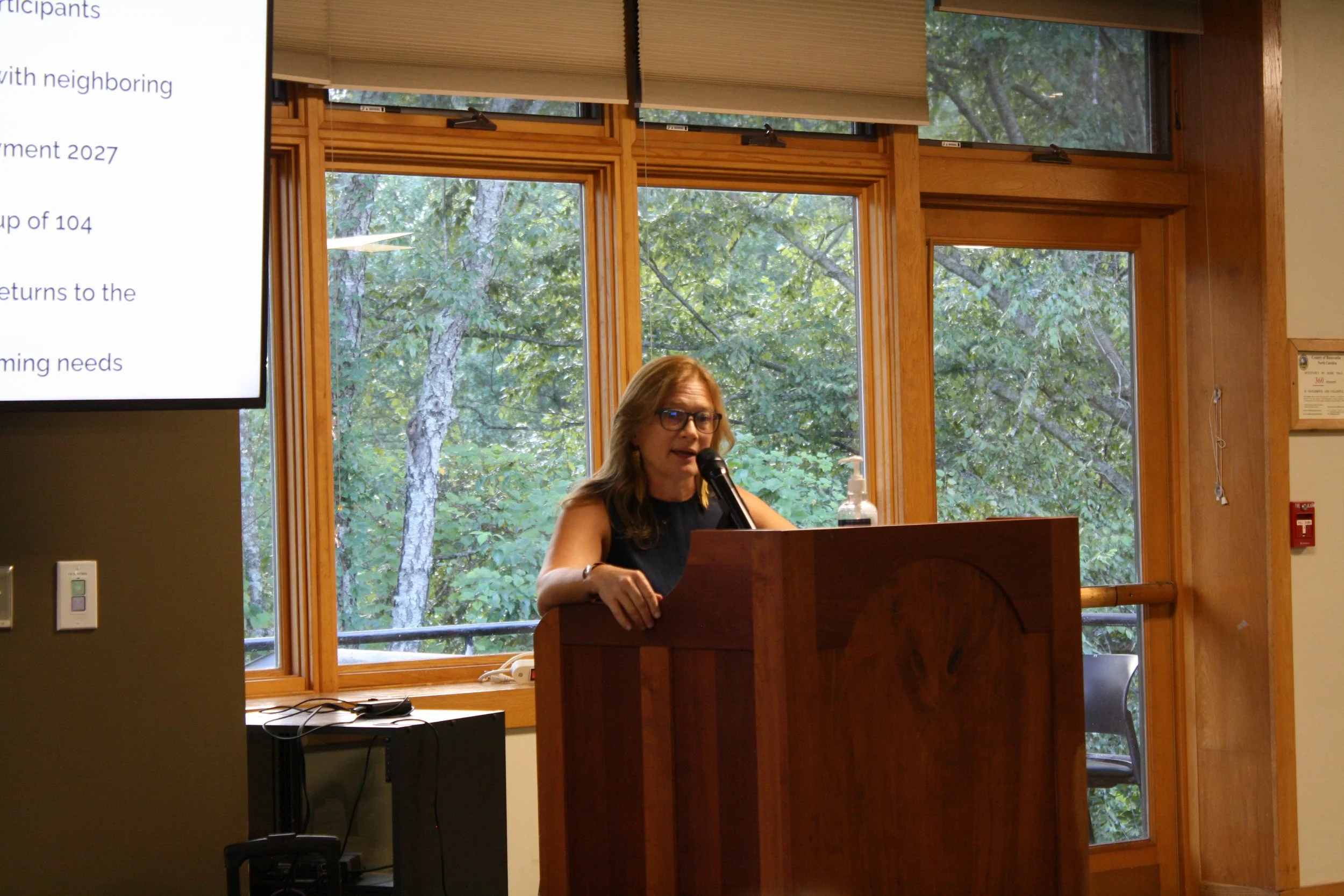
Amy Agar, the Executive Director of Strategic Ventures, is partnering with the Life Institute for Life Long Learning to provide students the chance to get certifications and help with internship pipelines. WWC is working for the students to have outreach within the greater Asheville, N.C. area.
Ian Smith, Executive Director of Operations and Facilities, addressed students and faculty at the meeting about multiple upcoming facilities that are to be improved upon including the Aquatic Center, Kittredge Theatre and the lower areas of Gladfelter Dining Hall. Kittredge is on track to reopen the first week of October, while the Aquatic Center, Smith hopes, will start construction by the first week of October. Agar informed the room that The Fiber Arts facility is to be relocated on the campus grounds but not removed.
The State of the College Address gave students a chance to see what lies in the future of Warren Wilson College. From all areas of the college, from student life to academic affairs multiple changes are hoping to be implemented. The overall goal is to give students the chance to have the best college experience the school may provide and prepare them for the work force once they graduate.