

New Faculty at WWC Impacts Community On and Off Campus
Solie Lawson | Sept. 29, 2026
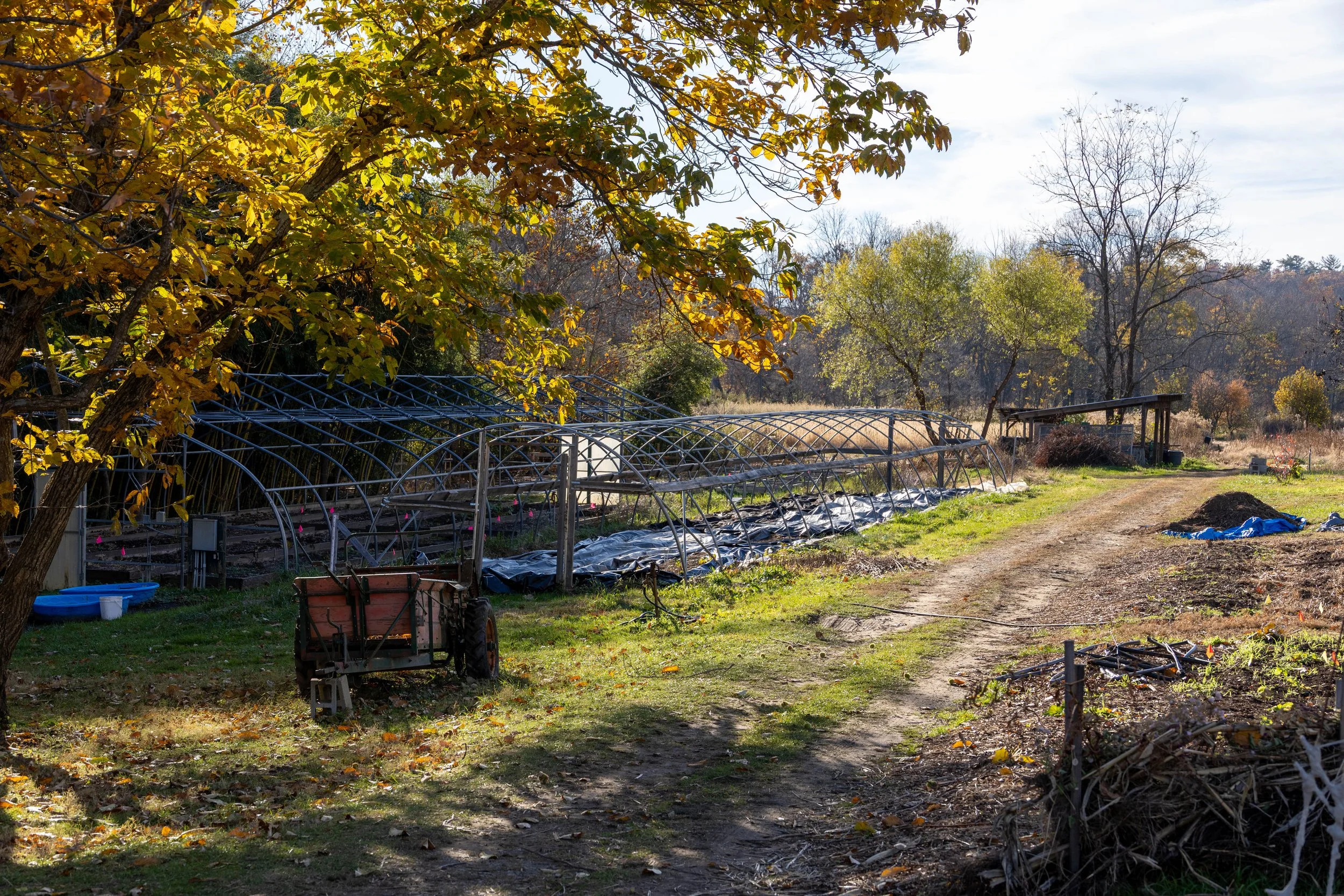
The Warren Wilson College garden in Swannanoa, N.C. on a fall afternoon in 2025. (Echo/Echo Yearbook)
New faculty at Warren Wilson College (WWC) come bringing expertise in sociology, lichenology in the Swannanoa area post-Helene, and philosophical history. Next semester students may be interested to hear what the prison systems look like in Appalachia with Ella Seigrest, what rocks are climbable and what are not due to ecological relationships with Laura Boggess, or learn about ancient ethics or take an introduction to philosophy course with William Baird.
Seigrest is the visiting instructor of sociology. Being a WWC alum, the hiring process was relatively simple and straightforward for her because she graduated from the sociology anthropology department, so she already knew the department fairly well. She graduated from WWC in 2019, so she has both the experience of being a student and teacher on campus.
“It's really sweet to be back and also weird to be back [at WWC] on the other side,” Siegrest said.
Seigrest has enjoyed seeing the connectivity of students to both their classes and community as well as their motivation to come to class with new ideas and important discussions.
“A big strength of Warren Wilson is the liberal arts and getting to put all of [your classes] into conversation,” Siegrest said. “Seeing students go through that creative process is exciting.”
Siegrest is excited for her class next semester, “Carceral Appalachia”, that will focus on the prison systems in Appalachia and how they came to be. It is going to be a community engaged class working with the Inside Out program.
Boggess is also excited for her new project next semester in Chimney Rock. The project will focus on if rocks in the area should be climbed or not. Students will focus on lichen in the area and how it responds to climbers. Boggess started out as a climber, and then gradually got interested in the ecological systems happening on the rocks. As the new assistant professor of conservation biology, she plans to focus on lichenology and cliff biology. Already she has seen a huge interest in these topics from students.
“I gave a research talk and met a ton of people and it felt great,” Boggess said. “I was so impressed by getting the tour of working lands and meeting some of the crew leaders. I could tell it was even more special than I had thought from the outside once I kind of peeked [under] the hood.”
Living in the area for a long time, Boggess had heard of WWC but had never been a part of the community until this year. Because she has many friends who are alums working in conservation, she had heard about the WWC experience through them. Now Boggess gets to see the community through her own personal perspective. In her previous role at Mars Hill in Madison County, N.C. she had wished for change, and WWC was the perfect opportunity for her to do that.
“Something that felt unique right away [at WWC is] this feels like a place where you are genuinely accepted for who you are, however that presents,” Boggess said. “That feels refreshing and wonderful and life-giving to me.”
Baird is the new philosophy adjunct professor on campus and has much enjoyed his time teaching ethics on Wednesday.
“The most exciting part of my week is coming out here and spending a day on campus and teaching,” Baird said.
Baird also is an adjunct professor at Wofford College, and describes the WWC student base to be entirely different. His ethics class has come to be one of his favorite classes to teach due to its location in Boon Hall overlooking the mountains and because he has really enjoyed his students' participation. Next semester he is hoping to teach a class focusing on ancient ethics or possibly an introduction to philosophy class.
Seigrest, Boggess and Baird all have enjoyed the student community as well as the faculty's acceptance of them. They not only enjoy the work they do on campus, but off campus, impacting the community in the North Carolina area by either studying the social world in carceral Appalachia, discerning if rocks can be climbed or not by Chimney Rock, or applying their knowledge to other schools.